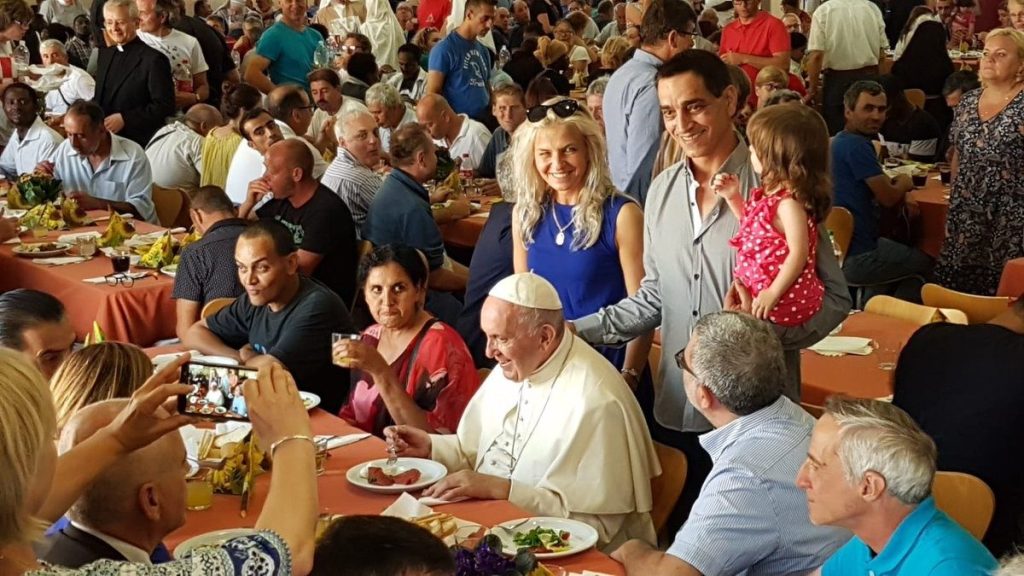
La enseñanza moral de la Iglesia Católica según Papa Francisco

[El original en ingles se encuentra aqui.]

Cuando estoy delante a una elección, ¿cómo decido si hacer una cosa u otra? Muchas veces ni siquiera pienso en eso y simplemente elijo una alternativa aleatoriamente o por costumbre, o podría simplemente aceptar lo que otros eligen. ¿Te gustaría un té o una infusión de frutas? No importa, me gustan los dos. Pero cuando las consecuencias de mis decisiones son obviamente serias, ¿cómo entiendo las alternativas y cuáles son los criterios que tengo en cuenta al tomar una decisión? ¿Estoy de acuerdo con el tratamiento médico que me ofrecen, cuando sé que involucra daño a otros? ¿Y qué hay de las elecciones que a primera vista parecen triviales pero que tienen consecuencias que cambian la vida de los demás? ¿Compro esta camisa o aquella? ¿Qué pasa si una está poniendo dinero en los bolsillos de los delincuentes detrás de la esclavitud moderna mientras que la otro proviene de una cadena de suministro con altos estándares éticos, proporcionando un salario justo a las comunidades locales en los países en via de desarrollo?

Las acciones que resultan de las decisiones sobre cada una de las preguntas anteriores, y las preguntas sobre hacer una cosa u otra en general, pueden evaluarse desde una variedad de perspectivas, una de las cuales también es si son morales, si son buenas o malas. En este contexto, me gustaría ver cuál es la enseñanza de la Iglesia Católica hoy, tal como la presenta Papa Francisco.

El Catecismo de la Iglesia Católica presenta la moralidad derivada de la libertad, donde “los actos humanos, es decir, libremente realizados tras un juicio de conciencia, son calificables moralmente: son buenos o malos”.[1] Por lo tanto, lo siguiente será un intento de resumir las enseñanzas del Papa Francisco sobre lo que constituye el bien contra el mal, cómo distinguir uno del otro, cómo vivir de una manera donde lo bueno se hace cada vez más presente en la vida y cómo ayudar a otros en su viaje hacia una vida cada vez más moral. Las fuentes de este resumen serán las encíclicas y exhortaciones apostólicas del Papa Francisco: Evangelii Gaudium (EG), Laudatio Si’ (LS), Amoris Lætitia (AL), Gaudete et Exsultate (GE), Christus Vivit (CV) y Querida Amazonia (QA).[2]

El punto de partida para Papa Francisco es el kerygma, el primer anuncio del Evangelio, que Jesús me ama, dio su vida por mí para salvarme y que vive a mi lado todos los días[3]. Tal amor de Dios nos invita a la reciprocidad, a discernir nuestro propio camino hacia él,[4] a reconocer a Dios en los demás y a luchar por su bien y el nuestro bien común,[5] lo que a su vez conduce a la “buena vida”[6] y a la alegría.[7] Es un amor que Dios se dirige a todos y que estamos llamados a compartir con todos,[8] sin excluir a nadie. “Nadie queda excluido de la alegría reportada por el Señor”.[9] Es un amor que va mucho más allá de un cuerpo de enseñanzas o un código moral y que culmina en el gran mensaje de salvación.[10]

El amor de Dios le da un valor intrínseco y primacía[11] a la persona humana (que es sagrada, inviolable y un fin en sí misma,[12] independientemente de si es pobre, no nacida o discapacitada[13]) y ubica su relación con Dios, y lallamada a amar a su prójimo, en el corazón de la enseñanza moral de la Iglesia. “Porque toda la Ley está resumida plenamente en este precepto: Amarás a tu prójimo como a ti mismo”(Gal 5:14).[14]

La gratitud y la iniciativa del amor de Dios nos enmarcan, a nosotros y a toda la Creación, como un regalo,[15] que estamos invitados a aceptar y proteger. Yo (con mi vida y habilidades), y mis prójimos son un regalo, como lo es todo el mundo, que es nuestro hogar común.[16] Todo lo que hago y cada decisión que tomo (incluyendo cada compra que hago[17]) impacta el mundo y es un acto moral.[18] Directamente opuestos a esta realidad están el individualismo y el relativismo, que se derivan de una ilusión de poder absoluto y arbitrario sobre mí, mi cuerpo y toda la creación,[19] que incluso desafían el derecho inalienable a la vida de cada persona[20] y que conducen a la exclusión, desigualdad, abuso y dominación.[21] No debo volverme insensible a estos males de la injusticia. En cambio, estoy llamado a responder con indignación, como lo hizo Jesús,[22] y a vencerlos. No importa lo dañada, intrascendente, descartada o sin valor pueda parecer la vida de alguien, Dios está presente allí, esperando a ser encontrado por mí[23] y esperando que comparta su sufrimiento,[24] para trabajar por su avance y para traer justicia a ellos.[25] Estoy llamado a dialogar con todos, donde las diferencias son una fuente de enriquecimiento mutuo en lugar de muros o amenazas a mi propia identidad; El diálogo con personas diferentes a mí fortalece y enriquece mi propia identidad en lugar de amenazarla.[26] Necesitamos “consentir jubilosamente que nuestra realidad sea dádiva, y aceptar aun nuestra libertad como gracia”.[27]

Todo está interconectado y forma una realidad única, donde el cuidado de nuestras propias vidas, nuestras relaciones, la naturaleza, la fraternidad, la justicia, la sexualidad, la familia, la sociedad, la política y la cultura son todos uno e indivisible.[28] Por lo tanto, las enseñanzas de Jesús no pueden reducirse a reglas y estructuras que sigan una lógica fría y dura, que acaban ser medios de dominación[29] y cuya transmisión oscurezca la gran experiencia de la vida cristiana,[30] que no rechaza nada de la bondad que ya existe en cualquier situación.[31] Tales reglas y estructuras esconderían una falsa creencia de que todo depende de nuestros propios poderes y terminarían complicando el Evangelio,[32] dejando poco espacio para la gracia y convirtiendo nuestra religión en servidumbre.[33]

Papa Francisco da el siguiente ejemplo del enfoque integral que está en el corazón de su enseñanza:

La defensa del inocente que no ha nacido, por ejemplo, debe ser clara, firme y apasionada, porque allí está en juego la dignidad de la vida humana, siempre sagrada, y lo exige el amor a cada persona más allá de su desarrollo. Pero igualmente sagrada es la vida de los pobres que ya han nacido, que se debaten en la miseria, el abandono, la postergación, la trata de personas, la eutanasia encubierta en los enfermos y ancianos privados de atención, las nuevas formas de esclavitud, y en toda forma de descarte.” (GE, 101)

En lugar de reglas y regulaciones, Jesús nos presenta dos caras: la del Padre y la de nuestro hermano, “o mejor, uno solo, el de Dios que se refleja en muchos”.[34] El Evangelio, en cuyo corazón es la vida en comunidad y el compromiso con los demás,[35] lo resume en la regla de oro: “todo cuanto queráis que os hagan los hombres, hacédselo también vosotros a ellos” (Mt 7:12), que es aplicarse en todos los casos, especialmente cuando se enfrentan juicios morales difíciles,[36] y que fundamentan todas las normas morales.[37] “Nuestro Señor aprecia de manera especial a quien se alegra con la felicidad del otro. Si no alimentamos nuestra capacidad de gozar con el bien del otro y, sobre todo, nos concentramos en nuestras propias necesidades, nos condenamos a vivir con poca alegría, ya que como ha dicho Jesús «hay más felicidad en dar que en recibir» (Hch 20,35).”[38]

La moral sexual en particular a menudo conduce a “incomprensión y de alejamiento de la Iglesia”[39] y, si bien el sexo puede ser una base de exaltación indebida, obsesión, sumisión, explotación o violencia[40], es ante todo un “regalo maravilloso para sus criaturas”.[41] En lugar de ser un tabú, es un regalo, dado con el propósito de amar, construir una amistad conyugal, a cumplir (completar) el otro que es un regalo para mí[42] y generar vida[43]. “[T]toda persona, independientemente de su tendencia sexual, ha de ser respetada en su dignidad y acogida con respeto”.[44]

El trabajo es otro bien importante, ya que le da sentido a la vida en esta tierra, es un camino hacia el crecimiento, el desarrollo humano y la realización, un medio para ayudar a los pobres a los que hay que ayudar a encontrar el trabajo[45] y una forma de cooperar con Dios en la obra de la creación.[46] También está abierto al abuso en una gran variedad de formas, incluyendo “en el taller clandestino, en la red de prostitución, en los niños que utilizas para mendicidad, en aquel que tiene que trabajar a escondidas por- que no ha sido formalizado”.[47]

La dimensión social de nuestras vidas tiene fuertes implicaciones morales, llamándonos a respetar el buen nombre de los demás[48] y a trabajar por el bien común, la paz social, la estabilidad y la seguridad, proporcionadas por una orden que incorpora justicia distributiva y evita la violencia.[49] “[L]la participación en la vida política es una obligación moral”[50] y el mantenimiento de instituciones creíbles, con representantes políticos libres de corrupción, es una necesidad básica.[51]

Nuestras conciencias juegan un papel clave en la vida moral, lo que nos permite discernir y actuar por invitación del Evangelio[52] y darnos cuenta de que “eso que captamos como bueno lo es también «para nosotros» aquí y ahora.”[53] La conciencia puede reconocer cuando una situación es incompatible con el Evangelio y, por lo tanto, es pecado,[54] cuál puede ser la respuesta más generosa de una persona a Dios en esa situación, dadas sus limitaciones, y que esto “es la entrega que Dios mismo está reclamando en medio de la complejidad concreta de los límites, aunque todavía no sea plenamente el ideal objetivo”.[55] Y nos lleva a una “conciencia serena de los propios dones y límites.”[56]

Es necesario formar las conciencias, que es el trabajo de toda una vida “en el que se aprende a nutrir los sentimientos propios de Jesucristo, asumiendo los criterios de sus decisiones y las intenciones de su manera de obrar (cf. Flp 2,5)”.[57] Esto no debe equivaler a reemplazar las conciencias,[58] ya que “[s]e trata de reconocer al otro y de valorarlo “como otro”, con su sensibilidad, sus opciones más íntimas, su manera de vivir y trabajar”.[59]

La adhesión a la enseñanza moral de la Iglesia es siempre incompleta, pero lo que Dios espera de nosotros es hacer lo que podamos, pedir lo que no podemos, rezarle con humildad[60] y permanecer siempre abierto a un nuevo crecimiento y a nuevas elecciones que nos hacen avanzar hacia el ideal de perfección.[61] “[T]odos somos una compleja combinación de luces y de sombras. […El amor no tiene que ser] perfecto para valorarlo”.[62] Además, cuidar a quienes no adhieren a la enseñanza moral de la Iglesia es una expresión de caridad en lugar de una dilución de la fe.[63] Estamos llamados a hacernos “débiles con los débiles… todo para todos” (1 Cor 9:22)[64] y aceptar a la otra persona “también cuando actúa de un modo diferente a lo que yo desearía”.[65]

Papa Francisco da el siguiente ejemplo de tal potencial de crecimiento:

“Cuando la unión alcanza una estabilidad notable mediante un vínculo público —y está connotada de afecto profundo, de responsabilidad por la prole, de capacidad de superar las pruebas— puede ser vista como una oportunidad para acompañar hacia el sacramento del matrimonio, allí donde sea posible.” Y lo contrasta concasos de “convivencia que excluyen totalmente cualquier intención de casarse”. (AL, 78)

La clave aquí es crecer desde donde uno está hacia una vida más plena del Evangelio,[66] un crecimiento que solo puede ocurrir “respondiendo a la gracia divina con más actos de amor, con actos de cariño más frecuentes, más intensos, más generosos, más tiernos, más alegres”.[67] Cada uno de nosotros avanza gradualmente combinando los dones y las demandas de Dios[68] y necesitamos reconocer nuestras limitaciones, de lo contrario inhibimos la obra de la gracia dentro de nosotros y “no le deja espacio para provocar ese bien posible que se integra en un camino sincero y real de crecimiento”.[69]

Papa Francisco da un ejemplo de esta actitud:

“[U]na señora va al mercado a hacer las compras, encuentra a una vecina y comienza a hablar, y vienen las críticas. Pero esta mujer dice en su interior: «No, no hablaré mal de nadie». Este es un paso en la santidad. Luego, en casa, su hijo le pide conversar acerca de sus fantasías, y aunque esté cansada se sienta a su lado y escucha con paciencia y afecto. Esa es otra ofrenda que santifica.” (GE, 16)

Debemos evitar juicios que no tengan en cuenta toda la complejidad de una situación,[70] recordando que la situación de cada persona ante Dios y su vida en gracia son misterios[71] y que “[nadie] puede ser condenado para siempre, porque esa no es la lógica del Evangelio.”[72] “[…Y]a no es posible decir que todos los que se encuentran en alguna situación así llamada «irregular» viven en una situación de pecado mortal, privados de la gracia santificante. Los límites no tienen que ver solamente con un eventual desconocimiento de la norma. Un sujeto, aun conociendo bien la norma, puede tener una gran dificultad para comprender «los valores inherentes a la norma» o puede estar en condiciones concretas que no le permiten obrar de manera diferente y tomar otras decisiones sin una nueva culpa”.[73]

Papa Francisco da un ejemplo aquí de

“[U]na segunda unión consolidada en el tiempo, con nuevos hijos, con probada fidelidad, entrega generosa, compromiso cristiano, conocimiento de la irregularidad de su situación y gran dificultad para volver atrás sin sentir en conciencia que se cae en nuevas culpas.” Y lo contrasta con “alguien que reiteradamente ha fallado a sus compromisos familiares.” (AL, 298)

El discernimiento es clave para identificar las formas posibles que tenemos para responder a Dios y crecer en medio de los límites. “Por creer que todo es blanco o negro a veces cerramos el camino de la gracia y del crecimiento, y desalentamos caminos de santificación que dan gloria a Dios. Recordemos que «un pequeño paso, en medio de grandes límites humanos, puede ser más agra- dable a Dios que la vida exteriormente correcta de quien transcurre sus días sin enfrentar importantes dificultades»”.[74]

La moral “no es una ética estoica, es más que una ascesis, no es una mera filosofía práctica ni un catálogo de pecados y errores.”[75] y es reduccionista mirar solo si se “responde o no a una ley o norma general, porque eso no basta para discernir y asegurar una plena fidelidad a Dios en la existencia concreta de un ser humano”.[76] En lugar de centrarse en “detectar todo peligro o desviación, es bueno que puedan vernos como alegres mensajeros de propuestas superadoras, custodios del bien y la belleza que resplandecen en una vida fiel al Evangelio.”[77]

Estamos llamados a examinar nuestras vidas frente a Dios, sin dejar nada afuera. Siempre podemos crecer en todos los aspectos de nuestras vidas y ofrecer algo a Dios. Todo lo que necesitamos hacer es pedirle al Espíritu Santo que nos libere y darle acceso a todas las partes de nuestras vidas. “El que lo pide todo también lo da todo, y no quiere entrar en nosotros para mutilar o debilitar sino para plenificar”.[78] “Dios ama el gozo del ser humano”.[79] “El peor peligro sería alejarlos del encuentro con Cristo por presentarlo como un enemigo del gozo, o como alguien indiferente ante las búsquedas y las angustias humanas”.[80]

En resumen, creo que la enseñanza del Papa Francisco se basa en tres pilares: primero, que Dios nos ama a cada uno exactamente como somos, sin excepción, y que nos invita a cada uno de nosotros a una mayor cercanía con Él y, por lo tanto, con todos. Segundo, que la elección del bien está abierta a cada uno de nosotros en todo momento, sin importar los errores que hayamos cometido, y que Dios se deleita en cada paso que damos en su dirección. Tercero, que debemos ayudarnos mutuamente tanto para discernir lo que es bueno hacer como para luego hacerlo, mientras que el lugar donde se toman las decisiones morales es en la conciencia de cada persona, esa conciencia debe formarse y apoyarse en una comunidad que juntos viajan hacia Dios.


[1] Catequismo de la Iglesia Catolica, 1749.

[2] La encíclica Lumen Fidei no esta incluida ya que es con  Evangelii Gaudium que Papa Francisco delinea el marco de referencia de su pontificado y sus siguientes encíclicas y exhortaciones proceden de allí.

[3] Cf. EG, 164; QA 64.

[4] Cf. GE, 11.

[5] Cf. EG, 39.

[6] Cf. QA 71.

[7] Cf. GE, 110; QA 71, 80.

[8] Cf. EG, 15.

[9] Pablo VI, Exhortación Apostolica Gaudete in Domino (9 May 1975), 22: AAS 67 (1975), 297; EG, 3; Cf. EG 47; CV, 234.

[10] Cf. QA, 63.

[11] Cf EG, 55.

[12] Cf. EG, 213; AL, 56; GE, 101.

[13] Cf. LS, 117.

[14] Cf. EG, 161; AL, 306.

[15] Cf. AL, 56; AL, 310-311.

[16] Cf. LS, 155; GE, 55.

[17] Cf. LS, 206.

[18] Cf. LS, 208.

[19] Cf. LS, 162; LS, 155; AL, 34; CV, 82.

[20] Cf. AL, 83.

[21] Cf. EG, 53; LS, 123; CV, 98; QA 14.

[22] Cf. QA 15.

[23] Cf. GE, 42.

[24] Cf. GE, 76.

[25] Cf. QA, 75.

[26] Cf. QA, 37.

[27] GE, 55.

[28] Cf. LS, 70; LS, 6, QA 22.

[29] Cf. GE, 39; EG, 34-35.

[30] Cf. CV, 212.

[31] Cf. QA, 66.

[32] Cf. EG, 43.

[33] Cf. GE, 59.

[34] GE, 61.

[35] Cf EG, 177; GE, 127-128.

[36] Cf. GE, 80.

[37] Cf. EG, 179.

[38] AL, 110; Cf. GE, 117.

[39] CV, 81.

[40] Cf. AL, 156; AL 147; AL, 154; CV 81; CV 90; GE, 108.

[41] CV. 261; Cf. AL, 152.

[42] Cf. AL, 81.

[43] Cf. CV, 261; AL, 156.

[44] AL, 250.

[45] Cf. CV, 269.

[46] Cf. LS, 117.

[47] EG, 211.

[48] Cf. AL, 112; GE, 115.

[49] Cf. LS, 157; LS 133-134; GE, 25.

[50] EG, 220.

[51] QA, 24.

[52] Cf. AL, 37.

[53] AL, 265.

[54] Cf. Catequismo de la Iglesia Catolica, 1849.

[55] AL, 303.

[56] CV, 281-282.

[57] CV, 281.

[58] Cf. AL, 37.

[59] QA, 27.

[60] Cf. GE, 49; GE, 118-119.

[61] Cf. AL, 303; AL, 291.

[62] AL, 113.

[63] Cf. AL 243; AL, 307.

[64] Cf. EG, 45.

[65] AL, 92.

[66] Cf. EG, 160-161.

[67] AL, 134.

[68] Cf. AL, 295.

[69] GE, 50.

[70] Cf. AL, 296.

[71] Cf. EG, 172.

[72] AL, 297.

[73] AL, 301.

[74] AL, 305.

[75] EG, 39.

[76] AL, 304; Cf. AL, 308.

[77] EG, 168.

[78] GE, 175.

[79] AL, 149.

[80] QA, 80.
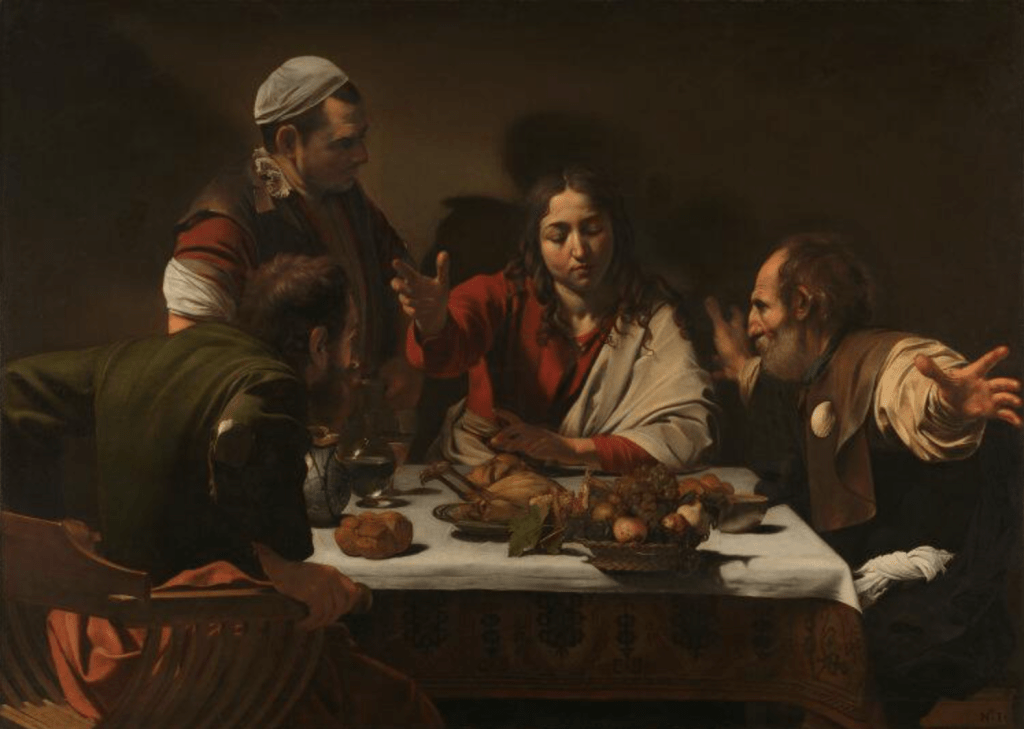
La moralidad de los seguidores de Jesús

[El original en ingles se encuentra aqui.]

Si Jesús regresaría hoy, ¿cómo reconocería sus seguidores? No miraría lo que la gente dice, sino lo que hacen. ¿Quién es el que alimenta al hambriento, acoge a los extraños, anima a los desanimados, está dispuesto a dar su vida por sus amigos? Buscaría a los que abrazan a los excluidos, alivian el dolor del sufrimiento, defienden a los indefensos, no a los que gritan “Señor, Señor” o que declaran que su presencia convierte un lugar en “tierra santa”.  Buscaría a aquellos que pierden el tiempo con los que no valen nada, que son hermanos y hermanas a los solitarios y que toman el último asiento en los banquetes. Él buscaría a aquellos que lo reconocen en sus vecinos y que ponen las necesidades de los demás por encima de las suyas.

En otras palabras, buscaría a aquellos que viven vidas morales, ya que la moralidad no es otra cosa que elegir el bien sobre el mal, elegir el amor sobre el odio o la indiferencia, elegir a los demás sobre mí. Para un seguidor de Jesús, la moral comienza con la buena noticia de que Dios nos ama tanto que nos envió a su único hijo, que nos amó como un hermano, que nos llamó sus amigos. Un Hijo que incluso aceptó ser abandonado por su propio Padre, momentos antes de morir en la cruz, para que ningún sufrimiento, fracaso o separación sea insuperable, para que nadie piense que están fuera del alcance del amor de Dios o del amor de sus seguidores, para que todos sepan que su resurrección es para ellos, abierta a ellos, esperando para recibirlos.

En cualquier lugar que haya división, sufrimiento, exclusión, opresión, Jesús está firmemente del lado de los abandonados. El amor de Dios que se entrega (self-giving) y se niega a sí mismo (self-naughting) hace a cada persona sagrada y de valor intrínseco. Toda la moral cristiana se deriva de esta realidad central del amor de Dios por su creación y por nosotros, los humanos, a quienes hizo para que podamos responder libremente a su amor. Y nos invita a elegirlo, a elegir lo que es bueno, con cada elección que hacemos y en cada acción que realizamos. ¿Debería sentir celos por el éxito de otra persona, o debería alegrarme con ellos por su logro? ¿Debería decir algo sobre otra persona, o serían los chismes los que los hieren? ¿Debería comprar este producto u otro, sabiendo que la compra afecta la vida de muchos que trabajaron para ponerla a mi alcance y donde una opción puede contribuir a salarios justos, mientras que otra puede llenar los bolsillos de los dueños de esclavos modernos y destruir el medio ambiente ¿Debería acostarme con mi novia o novio como una expresión de amor por ellos, o sería una apuesta temeraria con su vida y la vida potencial de un niño? ¿Debería denunciar el aborto, o también necesito buscar el bien de quienes lo cometieron, reconociendo también su angustia y sufrimiento y siendo conscientes de que no sé y no puedo saber el estado de su ser más íntimo?

Dios espera pacientemente, anhela que todos se acerquen cada vez más a Él y su misericordia no tiene límites. Y dado que seguir a Jesús es una invitación a imitarlo, yo también estoy invitado a amar de la manera en la que Dios me ama a mí y a todas las demás personas, sin importar lo imperfectamente que podamos responder a la invitación de Dios para corresponder su amor. Siempre hay una opción abierta para mi que me acerca a Dios y, por lo tanto, a todas las demás personas también. No importa lo lejos que esté de Dios, elegir a acercarme a Él es lo moral y no importa con qué frecuencia tomo la decisión equivocada, cada momento presente me da alternativas que son más morales que otras.

No solo elegir el bien siempre está disponible para mí, sino que Dios mismo está allí conmigo en lo más profundo de mi ser, en mi conciencia, para guiarme y ayudarme a distinguir el bien del mal. Incluso en mi ser más íntimo, no estoy solo, pero es allí donde Dios me invita a elegir a Aquel que es Bueno, que es Belleza, que es Verdad, que es Amor. Y Él me envía a sus seguidores para ayudarme a escuchar su voz, para ayudarme a formar mi conciencia para que esté cada vez más en sintonía con Dios, para ayudarme a persistir en elegir el bien sobre el mal. Y Él me ayuda aún más al hacer que lo bueno esté profundamente arraigado en la naturaleza misma del universo y sea accesible a la razón.

La elección del bien sobre el mal se centra en la entrega de uno mismo, que es la participación en el acto creativo del amor de Dios. Requiere hacerse nada (self-naughting) para que el dar sea perfecto y que esté listo para recibir perfectamente un don a cambio, sin retener nada y sin dejar nada. Para que dar y recibir pueda ser una imitación de la vida de la propia Trinidad, donde el Padre se entrega por completo, generando al Hijo, el Hijo se vacía completamente a cambio, entregándose al Padre sin excepción y el Espíritu Santo se hace nada para que el Padre y el Hijo puedan amarse en Él sin restricción. Dicha pérdida tiene un precio, pero esta superado por el amor que prosigue y la alegría que trae.

Al igual que la vida interior de la Trinidad, la moral no es principalmente una cuestión de perfección o logro individual, sino la calidad de una vida vivida en una comunidad que viaja hacia Dios, una comunidad que viaja con Dios. Imperfectamente, fallando, pero con el Dios que se vació, sufrió abandono y murió por sus amigos, caminando entre sus hermanos y hermanas. Al estar compuesta por miembros imperfectos, la moralidad de esta comunidad también es imperfecta y evoluciona, y su perfección es acorde con el grado en que vive en presencia de Jesús en su medio. Se esfuerza por una comprensión cada vez más profunda de lo que significa elegir el bien sobre el mal, una comprensión que crece con el tiempo como fruto del Espíritu Santo. Lo que una vez se consideró aceptable se convierte en absolutamente prohibido y lo que alguna vez estuvo fuera de límites es bienvenido. La pena capital y el matrimonio inter-confesional, respectivamente, son ejemplos pasados ​​en la Iglesia Católica; ¿Cuáles serán los futuros? Todo cambia y nada cambia al mismo tiempo, ya que el amor que Dios se entrega y lo abarca todo por nosotros, a quien él otorga un valor intrínseco por ese amor, es el núcleo inmutable al que tendemos en nuestro viaje hacia Él y con Él.

Una consecuencia de este viaje es también la necesidad de una sensibilidad particular a lo que está en los límites de la moralidad en cualquier momento, ya que algunas de estas opciones, aún prohibidas, pueden ser hacia dónde se dirige el viaje hacia Dios, mientras que otras descienden y se alejan de la unión con él. Solo una apertura a la voz de Dios en mi ser más íntimo, en los corazones y las mentes de mis hermanos y hermanas, en las voces de los que sufren y están abandonados y en la oración silenciosa conducirá a discernir el bien del mal, a comprender a lo que el amor y la misericordia de Dios nos llama en el aquí y ahora.

Spiritual communion

Due to the coronavirus pandemic, masses are suspended in many parts of the world and Pope Francis invites all Catholics both to comply with the measures imposed by local civil and Church government and cling to Jesus’ presence in the Eucharist:

“In this pandemic situation, in which we find ourselves living more or less isolated, we are invited to rediscover and reflect further on the value of communion, which unites all the members of the Church. United to Christ, we are never alone, but we form one body, of which He is the Head. It’s a union that is nourished in prayer, and also in spiritual communion with the Eucharist, a greatly recommended practice when it’s not possible to receive the Sacrament. I say this for all, especially for persons that live alone.”

Pope Francis, Angelus address, 15th March 2020

To help with the practice of spiritual communion, I would here like to share the words St. Alphonsus Liguori used for it:

“My Jesus, I believe that You are present in the Most Holy Sacrament. I love You above all things, and I desire to receive You into my soul. Since I cannot at this moment receive You sacramentally, come at least spiritually into my heart. I embrace You as if You were already there and unite myself wholly to You. Never permit me to be separated from You. Amen.”

An Act of Spiritual Communion 
St. Alphonsus Liguori

You can also find a wallet-sized card with this prayer available here in single and 3×3 A4-sized formats:

Fearful yet overjoyed

2349 words, 12 minute read.

Thinking about what emotions or attitudes ought to characterise a Christian, the following may well show up in top-ten lists: self-giving, generous, caring, compassionate, humble, faithful, peace-loving, merciful, just, patient, gentle, bold, persistent, forgiving and joyful. However, an emotion that would not make it into such lists appears repeatedly in the Gospels, namely fear. Fear fills the hearts of the chief priests and the scribes when they see the crowds cheering Jesus’ entrance into Jerusalem before his passion (cf. Luke 22:2, Matthew 21:46, Mark 12:12), it grips Pilate when the chief priests invoke the law to force Jesus’ execution (cf. John 19:8), it pervades even the battle-hardened centurion and his men who were guarding Jesus on the cross (cf. Matthew 27:54), it makes the guards who watch Jesus’ tomb become “like dead men” when the angel appears and rolls away the stone blocking its entrance (cf. Matthew 28:4), it fills the townspeople who see Jesus curing a possessed man and sending his demons into a herd of swine (cf. Mark 5:33, Luke 8:35) or bringing a dead young man back to life (cf. Luke 7:16), it strikes the shepherds to whom an angel announces the birth of Jesus (cf. Luke 2:9).

In all these instances it can easily and rightly be argued though that fear is an emotion associated with those who oppose Jesus or who are, at least, far from him.

More interesting is the case of Jesus’ earthly father, Joseph, whom an angel admonishes in a dream: “Joseph, son of David, do not be afraid to take Mary your wife into your home. For it is through the holy Spirit that this child has been conceived in her. She will bear a son and you are to name him Jesus, because he will save his people from their sins.” (Matthew 1:20-21). Joseph’s fears subside and he refrains from divorcing Mary, who bears another’s child. Fear enters Joseph’s life again when he follows an angel’s instructions to take Mary and Jesus back to Israel (Matthew 2:20) after living as refugees in Egypt, also on the angel’s instructions. Here Joseph followed what the angel tells him, “[b]ut when he heard that Archelaus was ruling over Judea in place of his father Herod, he was afraid to go back there. And because he had been warned in a dream, he departed for the region of Galilee.” (Matthew 2:22) Joseph’s fear here is part of discerning God’s will and contributes to keeping his family safe.

Fear is also very much present in the minds of Jesus’ closest followers, the apostles, and I think it is good both to note this and to see how Jesus responds to it.

To begin with, fear enters the apostles’ life from their very first encounter with Jesus. St. Luke recounts that event for Peter, James and John as follows:

“He saw two boats there alongside the lake; the fishermen had disembarked and were washing their nets. Getting into one of the boats, the one belonging to Simon, he asked him to put out a short distance from the shore. Then he sat down and taught the crowds from the boat. After he had finished speaking, he said to Simon, “Put out into deep water and lower your nets for a catch.” Simon said in reply, “Master, we have worked hard all night and have caught nothing, but at your command I will lower the nets.” When they had done this, they caught a great number of fish and their nets were tearing. They signaled to their partners in the other boat to come to help them. They came and filled both boats so that they were in danger of sinking. When Simon Peter saw this, he fell at the knees of Jesus and said, “Depart from me, Lord, for I am a sinful man.” For astonishment at the catch of fish they had made seized him and all those with him, and likewise James and John, the sons of Zebedee, who were partners of Simon. Jesus said to Simon, “Do not be afraid; from now on you will be catching men.” When they brought their boats to the shore, they left everything and followed him.” (Luke 5:2-11)

Fear here is quite a natural reaction when faced with the miraculous actions of Jesus and one for which he does not castigate or admonish them – he simply reassures them that fear is not necessary, without reprimanding them for it.

Jesus is very patient with the apostles though and even on the next occasion, when they are afraid – St. Matthew even says that they are “terrified” – that the boat they and the sleeping Jesus are in is going to capsize, his response is rather mild:

“He got into a boat and his disciples followed him. Suddenly a violent storm came up on the sea, so that the boat was being swamped by waves; but he was asleep. They came and woke him, saying, “Lord, save us! We are perishing!” He said to them, “Why are you terrified, O you of little faith?” Then he got up, rebuked the winds and the sea, and there was great calm. The men were amazed and said, “What sort of man is this, whom even the winds and the sea obey?” (Matthew 8:23-27; cf. Mark 4:36-41)

And still the apostles cannot get used to Jesus’ actions and it is terror that fills them again when they see him walking on water (the same man they saw stop a storm!). Jesus again just reassures them, draws their attention to himself, whom they know, and does not make a big deal out of it:

“When it was evening, the boat was far out on the sea and he was alone on shore. Then he saw that they were tossed about while rowing, for the wind was against them. About the fourth watch of the night, he came toward them walking on the sea. He meant to pass by them. But when they saw him walking on the sea, they thought it was a ghost and cried out. They had all seen him and were terrified. But at once he spoke with them, “Take courage, it is I, do not be afraid!” He got into the boat with them and the wind died down. They were [completely] astounded.” (Mark 6:47-51, cf. Matthew 14:26-27; Cf. John 6:19-20)

Fear returns again when the apostles (the same three who were scared when they first met him) see Jesus transfigured and joined by Moses and Elijah. Here Jesus not only, but again simply, gently, invites them not to be afraid, but he touches them, since part of their fear in this case must stem from their doubting his reality and the sense of touch both dispels that fear and is a sign of warmth and affection:

“After six days Jesus took Peter, James, and John his brother, and led them up a high mountain by themselves. And he was transfigured before them; his face shone like the sun and his clothes became white as light. And behold, Moses and Elijah appeared to them, conversing with him. Then Peter said to Jesus in reply, “Lord, it is good that we are here. If you wish, I will make three tents here, one for you, one for Moses, and one for Elijah.” While he was still speaking, behold, a bright cloud cast a shadow over them, then from the cloud came a voice that said, “This is my beloved Son, with whom I am well pleased; listen to him.” When the disciples heard this, they fell prostrate and were very much afraid. But Jesus came and touched them, saying, “Rise, and do not be afraid.”” (Matthew 17:1-7; Cf. Mark 9:2-6)

Not only his deeds, but his words too make the apostles afraid, as in the following passage where Jesus tells them about his impending suffering and death:

“He was teaching his disciples and telling them, “The Son of Man is to be handed over to men and they will kill him, and three days after his death he will rise.” But they did not understand the saying, and they were afraid to question him.” (Mark 9:31-32; Luke 9:43-45)

Finally, even after his death and resurrection, Jesus’ presence engendered fear among his followers, as can be seen from St. Luke’s account of two disciples meeting him on the road to Emmaus and then telling the apostles about it, only to have Jesus himself appear among them:

“So they set out at once and returned to Jerusalem where they found gathered together the eleven and those with them who were saying, “The Lord has truly been raised and has appeared to Simon!” Then the two recounted what had taken place on the way and how he was made known to them in the breaking of the bread. The Appearance to the Disciples in Jerusalem. While they were still speaking about this, he stood in their midst and said to them, “Peace be with you.” But they were startled and terrified and thought that they were seeing a ghost.” (Luke 24:33-37)

Clearly Jesus does not want his followers to be afraid, as he also emphasises during the Last Supper where he says: “Peace I leave with you; my peace I give to you. Not as the world gives do I give it to you. Do not let your hearts be troubled or afraid.” (John 14:27) At the same time, fear in the face of the unknown is something that the apostles kept experiencing in spite of – and sometimes because of! – Jesus’ own presence among them, which Jesus in turn had a lot of understanding for and patience with and which he helped them out of with gentleness and closeness.

Fear was also not absent from Jesus’ own mind, e.g., when he feared for the wellbeing of his followers: “Jesus summoned his disciples and said, “My heart is moved with pity for the crowd, for they have been with me now for three days and have nothing to eat. I do not want to send them away hungry, for fear they may collapse on the way.”” (Matthew 15:32). And while he broadly reassured his followers that fear was not necessary even in the face of persecution, Jesus did warn against the Devil and tell his disciples that he is to be feared:

“Therefore do not be afraid of them [who persecute you]. Nothing is concealed that will not be revealed, nor secret that will not be known. What I say to you in the darkness, speak in the light; what you hear whispered, proclaim on the housetops. And do not be afraid of those who kill the body but cannot kill the soul; rather, be afraid of the one who can destroy both soul and body in Gehenna. Are not two sparrows sold for a small coin? Yet not one of them falls to the ground without your Father’s knowledge. Even all the hairs of your head are counted. So do not be afraid; you are worth more than many sparrows.” (Matthew 10:26-31, Cf. Luke 12:4-7)

My favorite Gospel passage though, in which Jesus’ followers are shown to be afraid, is that of Mary Magdalene and “the other Mary” going to see Jesus’ tomb on Easter morning:

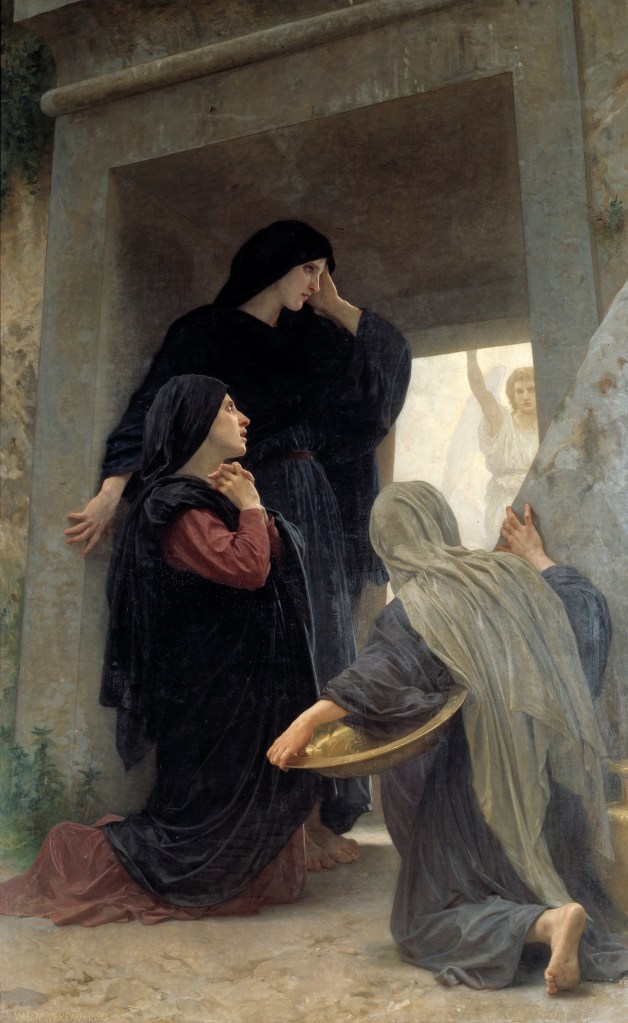
“After the sabbath, as the first day of the week was dawning, Mary Magdalene and the other Mary came to see the tomb. And behold, there was a great earthquake; for an angel of the Lord descended from heaven, approached, rolled back the stone, and sat upon it. His appearance was like lightning and his clothing was white as snow. The guards were shaken with fear of him and became like dead men. Then the angel said to the women in reply, “Do not be afraid! I know that you are seeking Jesus the crucified. He is not here, for he has been raised just as he said. Come and see the place where he lay. Then go quickly and tell his disciples, ‘He has been raised from the dead, and he is going before you to Galilee; there you will see him.’ Behold, I have told you.” Then they went away quickly from the tomb, fearful yet overjoyed, and ran to announce this to his disciples. And behold, Jesus met them on their way and greeted them. They approached, embraced his feet, and did him homage. Then Jesus said to them, “Do not be afraid. Go tell my brothers to go to Galilee, and there they will see me.”” (Matthew 28:1-10; Cf. Mark 16:1-8)

A couple of significant things happen here: first, that it is not fear versus no fear that distinguishes the two Marys from the guards – they were all afraid in the face of an unknown and inexplicable event. However, the guards had nothing to soften the blow and were terrified into unconsciousness. The Marys, instead had their relationship with Jesus, which did not cancel out fear, but supplemented it with joy: “fearful yet overjoyed” may just be what a Christian response to the unknown and daunting ought to look like. The fear is real, but so is the knowledge of Jesus’ saving love. Second, the basis for their joy is confirmed by Jesus later meeting them, greeting them and allowing them to come close to him, to embrace him.

I invariably feel a sense of unease when someone is told off or criticised for being afraid or for being unhappy with an unpleasant situation (or when a person in such situations self-criticises or self-censors), because “fear is not of God” or because we have to “accept God’s will” when things go against us. And my unease here is not born of disagreement with either of those statements, but of the, to my mind, unwarranted suppression or denial of the validity of fear or displeasure. Jesus brought the Good News of God’s universal love to a world where fear and unhappiness persist, but where they can be lived with the help of a simultaneous joy born of Jesus’ love for us and closeness to us.

The morality of Jesus’ followers

1187 words, 6 minute read. [A Spanish translation is available here.]

If Jesus returned today, how could he tell who his followers are? He’d look not at what people say, but at what they do. Who is it that feeds the hungry, welcomes strangers, encourages the disheartened, is ready to give their life for their friends? He’d look for those who embrace the excluded, ease the pain of the suffering, defend the defenseless, not those who shout “Lord, Lord” or who declare that their presence renders a place “holy ground.” He’d look for those who waste time with the worthless, are brothers and sisters to the lonely and who take the last seat at banquets. He’d look for those who recognize Him in their neighbors and who put the needs of others ahead of their own.

In other words, he would look for those who live moral lives, since morality is nothing other than choosing good over evil, choosing love over hatred or indifference, choosing others over myself. For a follower of Jesus, morality starts with the good news that God so loves us that he sent us his only son, who loved us like a brother, who called us his friends. A Son who even accepted being forsaken by his own Father, moments before dying on the cross, so that no suffering, failure or separation would be insurmountable, so that no one would ever think that they are off limits for God’s love or the love of his followers, so that all would know that His resurrection is for them, open to them, waiting to welcome them.

Wherever there is division, suffering, exclusion, oppression, Jesus is firmly on the side of the forsaken. God’s self-giving, self-noughting love makes every person sacred and of intrinsic value. All of Christian morality follows from this central reality of God’s love for his creation and for us, humans, whom he made so that we may freely respond to his love. And He invites us to choose Him, to choose what is good, with every single choice we make and in every single action we perform. Should I feel jealous of another person’s success, or should I rejoice with them in their achievement? Should I say a certain thing about another person, or would it be gossip that wounds them? Should I buy this product, or another, knowing that a purchase impacts the lives of many who worked on bringing it within my reach, where one choice may contribute to just wages while another may line the pockets of modern day slave owners and destroy the environment? Should I sleep with my girlfriend or boyfriend as an expression of love for them, or would it be a reckless gamble with her or his life and the potential life of a child? Should I denounce abortion, or do I also need to seek the good of those who committed it, recognizing their anguish and suffering too and being aware that I don’t know and can’t know the state of their innermost selves?

God waits patiently, longs for all to come ever closer to Him and His mercy has no limits. And since following Jesus is an invitation to imitating him, I too am invited to love in the way in which God loves me and every single other person, no matter how imperfectly I or they may respond to God’s invitation to reciprocate His love. There is always a choice open to me that brings me closer to God and therefore to every other person too. No matter how far I am from God, choosing to move closer to Him is the moral thing to do and no matter how often I make the wrong choice, every present moment gives me alternatives that are more moral than others.

Not only is choosing good always available to me, but God Himself is there with me in my innermost self, in my conscience, to guide me and help me discern good from evil. Even in my most intimate self I am not alone, but it is there that God invites me to choose Him who is Good, who is Beauty, who is Truth, who is Love. And He sends me his followers to help me listen to His voice, to help me form my conscience so that it may be ever more attuned to God, to help me persist in choosing good over evil. And He helps me further still by making what is good deeply embedded in the very nature of the universe and accessible to reason.

The choice of good over evil is centered on self-giving, which is participation in God’s creative act of love. It requires self-noughting so that giving may be perfect and ready to perfectly receive a gift in return, holding nothing back and leaving nothing out. So that giving and receiving may be in imitation of the life of the Trinity itself, where the Father gives himself wholly, generating the Son, the Son empties himself wholly in return, giving Himself to the Father without exception and the Holy Spirit makes Himself nothing so that the Father and the Son may love one another in Him without constraint. Such loss comes at a price, but one that is far outweighed by the love that follows and the joy it brings.

Like the inner life of the Trinity, morality is not primarily a matter of individual perfection or achievement, but the quality of a life lived in a community that journeys towards God, a community that journeys with God. Imperfectly, failingly, but with the God who emptied himself, suffered forsakenness and died for his friends, walking among his brothers and sisters. Being composed of imperfect members, this community’s morality too is imperfect and evolving, and its perfection is commensurate with the degree to which it lives in the presence of Jesus in its midst. It strives for an ever deeper understanding of what choosing good over evil means, an understanding that grows over time as a fruit of the Holy Spirit. What once was considered acceptable becomes absolutely forbidden and what at one time was out of bounds is welcomed. Capital punishment and inter-denominational marriage respectively are past examples in the Catholic Church; what will be future ones? Everything changes and nothing does at the same time, since God’s self-giving, all-embracing love for us, whom he endows with intrinsic value by that love, is the immutable core to which we tend on our journey towards Him and with Him.

A consequence of this journey is also the need for particular sensitivity to what is on the boundaries of morality at any one time, since some of these, as yet forbidden choices may be where the journey towards God leads next, while others slope off and away from union with Him. Only an openness to God’s voice in my innermost self, in the hearts and minds of my brothers and sisters, in the voices of the suffering and forsaken and in silent prayer will lead to discerning right from wrong here, to understanding what God’s love and mercy call for in the here and now.

Querida Amazonia: fellowship and joint struggle to be authentically human

4446 words, 22 min read

Yesterday saw the publication of Pope Francis’ apostolic exhortation entitled Querida Amazonia (Beloved Amazonia) in which he offers a reflection on the Amazon Synod that took place last October. The text is structured as a sequence of “dreams” that the pope has for the Amazon region, but also for the whole world. The “dreams” proceed from social, via cultural and ecological to ecclesial, in a sequence where each aspect leads to the next. The heart of Pope Francis’ thought to me seems to be born of a desire to bring all of creation and the fullness of human life into closer communion with God and therefore with each other. It is a reflection that starts out from the fundamental interrelatedness of everything and is directed towards God by means of all that is good, no matter its history, culture or origin. Instead of engaging more with the content of this brief (17K word) magisterial text, I would just like to offer the following collection of passages and a suggestion for those who won’t find in it what they may have hoped for: notice not only what Pope Francis says but also what he does not say …


“Everything that the Church has to offer must become incarnate in a distinctive way in each part of the world, so that the Bride of Christ can take on a variety of faces that better manifest the inexhaustible riches of God’s grace. Preaching must become incarnate, spirituality must become incarnate, ecclesial structures must become incarnate.” (§6)

“The businesses, national or international, which harm the Amazon and fail to respect the right of the original peoples to the land and its boundaries, and to self-determination and prior consent, should be called for what they are: injustice and crime. When certain businesses out for quick profit appropriate lands and end up privatizing even potable water, or when local authorities give free access to the timber companies, mining or oil projects, and other businesses that raze the forests and pollute the environment, economic relationships are unduly altered and become an instrument of death. They frequently resort to utterly unethical means such as penalizing protests and even taking the lives of indigenous peoples who oppose projects, intentionally setting forest fires, and suborning politicians and the indigenous people themselves. All this accompanied by grave violations of human rights and new forms of slavery affecting women in particular, the scourge of drug trafficking used as a way of subjecting the indigenous peoples, or human trafficking that exploits those expelled from their cultural context. We cannot allow globalization to become “a new version of colonialism”. (§14)

“We need to feel outrage, as Moses did (cf. Ex 11:8), as Jesus did (cf. Mk 3:5), as God does in the face of injustice (cf. Am 2:4-8; 5:7-12; Ps 106:40). It is not good for us to become inured to evil; it is not good when our social consciousness is dulled before “an exploitation that is leaving destruction and even death throughout our region… jeopardizing the lives of millions of people and especially the habitat of peasants and indigenous peoples”.” (§15)

“Alternatives can be sought for sustainable herding and agriculture, sources of energy that do not pollute, dignified means of employment that do not entail the destruction of the natural environment and of cultures. At the same time, the indigenous peoples and the poor need to be given an education suited to developing their abilities and empowering them. These are the goals to which the genuine talent and shrewdness of political leaders should be directed. Not as a way of restoring to the dead the life taken from them, or even of compensating the survivors of that carnage, but at least today to be authentically human.” (§17)

“Christ redeemed the whole person, and he wishes to restore in each of us the capacity to enter into relationship with others. The Gospel proposes the divine charity welling up in the heart of Christ and generating a pursuit of justice that is at once a hymn of fraternity and of solidarity, an impetus to the culture of encounter.” (§22)

“The Amazon region ought to be a place of social dialogue, especially between the various original peoples, for the sake of developing forms of fellowship and joint struggle. The rest of us are called to participate as “guests” and to seek out with great respect paths of encounter that can enrich the Amazon region. If we wish to dialogue, we should do this in the first place with the poor. They are not just another party to be won over, or merely another individual seated at a table of equals. They are our principal dialogue partners, those from whom we have the most to learn, to whom we need to listen out of a duty of justice, and from whom we must ask permission before presenting our proposals. Their words, their hopes and their fears should be the most authoritative voice at any table of dialogue on the Amazon region. And the great question is: “What is their idea of ‘good living’ for themselves and for those who will come after them?”” (§25)

“Dialogue must not only favour the preferential option on behalf of the poor, the marginalized and the excluded, but also respect them as having a leading role to play. Others must be acknowledged and esteemed precisely as others, each with his or her own feelings, choices and ways of living and working. Otherwise, the result would be, once again, “a plan drawn up by the few for the few”, if not “a consensus on paper or a transient peace for a contented minority”. Should this be the case, “a prophetic voice must be raised”, and we as Christians are called to make it heard.” (§27)

“That is in fact what education is meant to do: to cultivate without uprooting, to foster growth without weakening identity, to be supportive without being invasive. Just as there are potentialities in nature that could be lost forever, something similar could happen with cultures that have a message yet to be heard, but are now more than ever under threat.” (§28)

“Each of the peoples that has survived in the Amazon region possesses its own cultural identity and unique richness in our multicultural universe, thanks to the close relationship established by the inhabitants with their surroundings in a non-deterministic symbiosis which is hard to conceive using mental categories imported from without:

“Once there was a countryside, with its river, its animals, its clouds and its trees.
But sometimes, when the countryside, with its river and trees,
was nowhere to be seen,
those things had to spring up in the mind of a child”.
Juan Carlos Galeano, “Paisajes”, in Amazonia y otros poemas, ed. Universidad Externado de Colombia, Bogotá, 2011, 31.

“Make the river your blood…
Then plant yourself,
blossom and grow:
let your roots sink into the ground
forever and ever,
and then at last
become a canoe,
a skiff, a raft,
soil, a jug,
a farmhouse and a man”.
Javier Yglesias, “Llamado”, in Revista peruana de literatura, n. 6 (June 2007), 31.” (§31)

“Human grouings, their lifestyles and their worldviews, are as varied as the land itself, since they have had to adapt themselves to geography and its possibilities. Fishers are not the same as hunters, and the gatherers of the interior are not the same as those who cultivate the flood lands. Even now, we see in the Amazon region thousands of indigenous communities, people of African descent, river people and city dwellers, who differ from one another and embrace a great human diversity. In each land and its features, God manifests himself and reflects something of his inexhaustible beauty. Each distinct group, then, in a vital synthesis with its surroundings, develops its own form of wisdom. Those of us who observe this from without should avoid unfair generalizations, simplistic arguments and conclusions drawn only on the basis of our own mindsets and experiences.” (§32)

“Starting from our roots, let us sit around the common table, a place of conversation and of shared hopes. In this way our differences, which could seem like a banner or a wall, can become a bridge. Identity and dialogue are not enemies. Our own cultural identity is strengthened and enriched as a result of dialogue with those unlike ourselves.” (§37)

“When the indigenous peoples “remain on their land, they themselves care for it best”, provided that they do not let themselves be taken in by the siren songs and the self-serving proposals of power groups. The harm done to nature affects those peoples in a very direct and verifiable way, since, in their words, “we are water, air, earth and life of the environment created by God. For this reason, we demand an end to the mistreatment and destruction of mother Earth. The land has blood, and it is bleeding; the multinationals have cut the veins of our mother Earth”.” (§43)

“[P]oets, contemplatives and prophets, help free us from the technocratic and consumerist paradigm that destroys nature and robs us of a truly dignified existence:

“The world is suffering from its feet being turned into rubber, its legs into leather, its body into cloth and its head into steel… The world is suffering from its trees being turned into rifles, its ploughshares into tanks, as the image of the sower scattering seed yields to the tank with its flamethrower, which sows only deserts. Only poetry, with its humble voice, will be able to save this world”.
Vinicius De Moraes, Para vivir un gran amor, Buenos Aires, 2013, 166.” (§46)

“The powerful are never satisfied with the profits they make, and the resources of economic power greatly increase as a result of scientific and technological advances. For this reason, all of us should insist on the urgent need to establish “a legal framework which can set clear boundaries and ensure the protection of ecosystems… otherwise, the new power structures based on the techno-economic paradigm may overwhelm not only our politics, but also freedom and justice”. If God calls us to listen both to the cry of the poor and that of the earth, then for us, “the cry of the Amazon region to the Creator is similar to the cry of God’s people in Egypt (cf. Ex 3:7). It is a cry of slavery and abandonment pleading for freedom”.”

“From the original peoples, we can learn to contemplate the Amazon region and not simply analyze it, and thus appreciate this precious mystery that transcends us. We can love it, not simply use it, with the result that love can awaken a deep and sincere interest. Even more, we can feel intimately a part of it and not only defend it; then the Amazon region will once more become like a mother to us. For “we do not look at the world from without but from within, conscious of the bonds with which the Father has linked us to all beings”.” (§55)

“Let us awaken our God-given aesthetic and contemplative sense that so often we let languish. Let us remember that “if someone has not learned to stop and admire something beautiful, we should not be surprised if he or she treats everything as an object to be used and abused without scruple”. On the other hand, if we enter into communion with the forest, our voices will easily blend with its own and become a prayer: “as we rest in the shade of an ancient eucalyptus, our prayer for light joins in the song of the eternal foliage”. This interior conversion will enable us to weep for the Amazon region and to join in its cry to the Lord.” (§56)

“[W]e believers encounter in the Amazon region a theological locus, a space where God himself reveals himself and summons his sons and daughters.” (§57)

“The Church, with her broad spiritual experience, her renewed appreciation of the value of creation, her concern for justice, her option for the poor, her educational tradition and her history of becoming incarnate in so many different cultures throughout the world, also desires to contribute to the protection and growth of the Amazon region.” (§60)

“An authentic option for the poor and the abandoned, while motivating us to liberate them from material poverty and to defend their rights, also involves inviting them to a friendship with the Lord that can elevate and dignify them. How sad it would be if they were to receive from us a body of teachings or a moral code, but not the great message of salvation, the missionary appeal that speaks to the heart and gives meaning to everything else in life. Nor can we be content with a social message. If we devote our lives to their service, to working for the justice and dignity that they deserve, we cannot conceal the fact that we do so because we see Christ in them and because we acknowledge the immense dignity that they have received from God, the Father who loves them with boundless love.” (§63)

“As she perseveres in the preaching of the kerygma, the Church also needs to grow in the Amazon region. In doing so, she constantly reshapes her identity through listening and dialogue with the people, the realities and the history of the lands in which she finds herself. In this way, she is able to engage increasingly in a necessary process of inculturation that rejects nothing of the goodness that already exists in Amazonian cultures, but brings it to fulfilment in the light of the Gospel. Nor does she scorn the richness of Christian wisdom handed down through the centuries, presuming to ignore the history in which God has worked in many ways. For the Church has a varied face, “not only in terms of space… but also of time”. Here we see the authentic Tradition of the Church, which is not a static deposit or a museum piece, but the root of a constantly growing tree. This millennial Tradition bears witness to God’s work in the midst of his people and “is called to keep the flame alive rather than to guard its ashes”.” (§66)

“There is a risk that evangelizers who come to a particular area may think that they must not only communicate the Gospel but also the culture in which they grew up, failing to realize that it is not essential “to impose a specific cultural form, no matter how beautiful or ancient it may be”. What is needed is courageous openness to the novelty of the Spirit, who is always able to create something new with the inexhaustible riches of Jesus Christ. Indeed, “inculturation commits the Church to a difficult but necessary journey”. True, “this is always a slow process and that we can be overly fearful”, ending up as “mere onlookers as the Church gradually stagnates”.99 But let us be fearless; let us not clip the wings of the Holy Spirit.” (§69)

“Inculturation elevates and fulfills. Certainly, we should esteem the indigenous mysticism that sees the interconnection and interdependence of the whole of creation, the mysticism of gratuitousness that loves life as a gift, the mysticism of a sacred wonder before nature and all its forms of life.
At the same time, though, we are called to turn this relationship with God present in the cosmos into an increasingly personal relationship with a “Thou” who sustains our lives and wants to give them a meaning, a “Thou” who knows us and loves us:

“Shadows float from me, dead wood.
But the star is born without reproach over the expert hands of this child,
that conquer the waters and the night.
It has to be enough for me to know
that you know me completely,
from before my days”.
Pedro Casaldáliga, “Carta de navegar (Por el Tocantins amazónico)” in El tiempo y la espera, Santander, 1986.” (§73)

“Similarly, a relationship with Jesus Christ, true God and true man, liberator and redeemer, is not inimical to the markedly cosmic worldview that characterizes the indigenous peoples, since he is also the Risen Lord who permeates all things. In Christian experience, “all the creatures of the material universe find their true meaning in the incarnate Word, for the Son of God has incorporated in his person part of the material world, planting in it a seed of definitive transformation”. He is present in a glorious and mysterious way in the river, the trees, the fish and the wind, as the Lord who reigns in creation without ever losing his transfigured wounds, while in the Eucharist he takes up the elements of this world and confers on all things the meaning of the paschal gift.” (§74)

““[F]rom the heart of the Gospel we see the profound connection between evangelization and human advancement”. For Christian communities, this entails a clear commitment to the justice of God’s kingdom through work for the advancement of those who have been “discarded”. It follows that a suitable training of pastoral workers in the Church’s social doctrine is most important.” (§75)

“Let us not be quick to describe as superstition or paganism certain religious practices that arise spontaneously from the life of peoples. Rather, we ought to know how to distinguish the wheat growing alongside the tares, for “popular piety can enable us to see how the faith, once received, becomes embodied in a culture and is constantly passed on”.” (§78)

“It is possible to take up an indigenous symbol in some way, without necessarily considering it as idolatry. A myth charged with spiritual meaning can be used to advantage and not always considered a pagan error. Some religious festivals have a sacred meaning and are occasions for gathering and fraternity, albeit in need of a gradual process of purification or maturation. A missionary of souls will try to discover the legitimate needs and concerns that seek an outlet in at times imperfect, partial or mistaken religious expressions, and will attempt to respond to them with an inculturated spirituality.” (§79)

“Such a spirituality will certainly be centred on the one God and Lord, while at the same time in contact with the daily needs of people who strive for a dignified life, who want to enjoy life’s blessings, to find peace and harmony, to resolve family problems, to care for their illnesses, and to see their children grow up happy. The greatest danger would be to prevent them from encountering Christ by presenting him as an enemy of joy or as someone indifferent to human questions and difficulties. Nowadays, it is essential to show that holiness takes nothing away from our “energy, vitality or joy”.” (§80)

“[T]he sacraments should not be viewed in discontinuity with creation. They “are a privileged way in which nature is taken up by God to become a means of mediating supernatural life”. They are the fulfillment of creation, in which nature is elevated to become a locus and instrument of grace, enabling us “to embrace the world on a different plane”.” (§81)

“[I]t is important to determine what is most specific to a priest, what cannot be delegated. The answer lies in the sacrament of Holy Orders, which configures him to Christ the priest. The first conclusion, then, is that the exclusive character received in Holy Orders qualifies the priest alone to preside at the Eucharist. That is his particular, principal and non-delegable function. There are those who think that what distinguishes the priest is power, the fact that he is the highest authority in the community. Yet Saint John Paul II explained that, although the priesthood is considered “hierarchical”, this function is not meant to be superior to the others, but rather is “totally ordered to the holiness of Christ’s members”. When the priest is said to be a sign of “Christ the head”, this refers principally to the fact that Christ is the source of all grace: he is the head of the Church because “he has the power of pouring out grace upon all the members of the Church”.” (§87)

“The priest is a sign of that head and wellspring of grace above all when he celebrates the Eucharist, the source and summit of the entire Christian life. That is his great power, a power that can only be received in the sacrament of Holy Orders. For this reason, only the priest can say: “This is my body”. There are other words too, that he alone can speak: “I absolve you from your sins”. Because sacramental forgiveness is at the service of a worthy celebration of the Eucharist. These two sacraments lie at the heart of the priest’s exclusive identity.” (§88)

“In the specific circumstances of the Amazon region, particularly in its forests and more remote places, a way must be found to ensure this priestly ministry. The laity can proclaim God’s word, teach, organize communities, celebrate certain sacraments, seek different ways to express popular devotion and develop the multitude of gifts that the Spirit pours out in their midst. But they need the celebration of the Eucharist because it “makes the Church”. We can even say that “no Christian community is built up which does not grow from and hinge on the celebration of the most holy Eucharist”.131 If we are truly convinced that this is the case, then every effort should be made to ensure that the Amazonian peoples do not lack this food of new life and the sacrament of forgiveness.” (§89)

“The Eucharist, then, as source and summit, requires the development of that rich variety. Priests are necessary, but this does not mean that permanent deacons (of whom there should be many more in the Amazon region), religious women and lay persons cannot regularly assume important responsibilities for the growth of communities, and perform those functions ever more effectively with the aid of a suitable accompaniment.” (§92)

“Consequently, it is not simply a question of facilitating a greater presence of ordained ministers who can celebrate the Eucharist. That would be a very narrow aim, were we not also to strive to awaken new life in communities. We need to promote an encounter with God’s word and growth in holiness through various kinds of lay service that call for a process of education – biblical, doctrinal, spiritual and practical – and a variety of programmes of ongoing formation.” (§93)

“This summons us to broaden our vision, lest we restrict our understanding of the Church to her functional structures. Such a reductionism would lead us to believe that women would be granted a greater status and participation in the Church only if they were admitted to Holy Orders. But that approach would in fact narrow our vision; it would lead us to clericalize women, diminish the great value of what they have already accomplished, and subtly make their indispensable contribution less effective.” (§100)

“Jesus Christ appears as the Spouse of the community that celebrates the Eucharist through the figure of a man who presides as a sign of the one Priest. This dialogue between the Spouse and his Bride, which arises in adoration and sanctifies the community, should not trap us in partial conceptions of power in the Church. The Lord chose to reveal his power and his love through two human faces: the face of his divine Son made man and the face of a creature, a woman, Mary. Women make their contribution to the Church in a way that is properly theirs, by making present the tender strength of Mary, the Mother. As a result, we do not limit ourselves to a functional approach, but enter instead into the inmost structure of the Church. In this way, we will fundamentally realize why, without women, the Church breaks down, and how many communities in the Amazon would have collapsed, had women not been there to sustain them, keep them together and care for them. This shows the kind of power that is typically theirs.” (§101)

“In a synodal Church, those women who in fact have a central part to play in Amazonian communities should have access to positions, including ecclesial services, that do not entail Holy Orders and that can better signify the role that is theirs. Here it should be noted that these services entail stability, public recognition and a commission from the bishop. This would also allow women to have a real and effective impact on the organization, the most important decisions and the direction of communities, while continuing to do so in a way that reflects their womanhood.” (§103)

“None of this needs to create enmity between us. In a true spirit of dialogue, we grow in our ability to grasp the significance of what others say and do, even if we cannot accept it as our own conviction. In this way, it becomes possible to be frank and open about our beliefs, while continuing to discuss, to seek points of contact, and above all, to work and struggle together for the good of the Amazon region. The strength of what unites all of us as Christians is supremely important. We can be so attentive to what divides us that at times we no longer appreciate or value what unites us. And what unites us is what lets us remain in this world without being swallowed up by its immanence, its spiritual emptiness, its complacent selfishness, its consumerist and selfdestructive individualism.” (§108)

“All of us, as Christians, are united by faith in God, the Father who gives us life and loves us so greatly. We are united by faith in Jesus Christ, the one Saviour, who set us free by his precious blood and his glorious resurrection. We are united by our desire for his word that guides our steps. We are united by the fire of the Spirit, who sends us forth on mission. We are united by the new commandment that Jesus left us, by the pursuit of the civilization of love and by passion for the kingdom that the Lord calls us to build with him. We are united by the struggle for peace and justice. We are united by the conviction that not everything ends with this life, but that we are called to the heavenly banquet, where God will wipe away every tear and take up all that we did for those who suffer.” (§109)

“All this unites us. How can we not struggle together? How can we not pray and work together, side by side, to defend the poor of the Amazon region, to show the sacred countenance of the Lord, and to care for his work of creation?” (§110)

The moral teaching of the Catholic Church as taught by Pope Francis

3135 words, 16 min read (updated on 19 February 2020 to include Querida Amazonia) [A Spanish translation is now available here.]

When faced with a choice, how do I decide whether to do one thing or another? A lot of the time I might not even think about it and just pick one alternative at random or out of habit, or I might just go along with what others are choosing. Would you like tea or a fruit infusion? It doesn’t matter – I like both. But when the consequences of my decisions are obviously serious, how do I make sense of the alternatives and what are the criteria I take into account when making a choice? Do I go along with medical treatment offered to me, when I know that it involves harm to others? And what about choices that on the face of it appear trivial but that have life-changing consequences for others? Do I buy this shirt or that one? What if one is putting money in the pockets of the criminals behind modern-day slavery while the other comes from a supply chain with high ethical standards, providing a fair wage to local communities in developing countries?

The actions that result from decisions about each of the above questions, and questions about doing one thing or another in general, can be evaluated from a variety of perspectives, one of which is also whether they are moral, whether they are good or evil. In this context I would here like to look at what the teaching of the Catholic Church is today, as presented by Pope Francis.

Here, the Catechism of the Catholic Church presents morality as deriving from freedom, where “[h]uman acts, that is, acts that are freely chosen in consequence of a judgment of conscience, can be morally evaluated. They are either good or evil.”[1] The following will therefore be an attempt to summarise Pope Francis’ teaching on what constitutes good versus evil acts, how to distinguish one from the other, how to live in a way where the good becomes ever more present in one’s life and how to help others on their journey towards an increasingly moral life. The source of this summary will be Pope Francis’ encyclicals and apostolic exhortations: Evangelii Gaudium (EG), Laudatio Si’ (LS), Amoris Lætitia (AL), Gaudete et Exsultate (GE), Christus Vivit (CV) and Querida Amazonia (QA).[2]

The starting point for Pope Francis is the kerygma, the first announcement of the Gospel, that Jesus loves me, gave his life for me to save me and that he lives beside me every day.[3]  Such love from God invites us to reciprocity, to discerning our own path towards him,[4] to recognising God in others and to striving for their and our common good,[5] which in turn leads to “good living”[6] and joy.[7] It is a love that God addresses to everyone and that we are called to share with everyone,[8] not excluding anyone. “[N]o one is excluded from the joy brought by the Lord”.[9] It is a love that goes well beyond a body of teachings or a moral code and that culminates in the great message of salvation.[10]

God’s love gives intrinsic value and primacy[11] to the human person (who is sacred, inviolable and an end in themselves,[12] regardless of whether they be poor, unborn or disabled[13]) and places them, their relationship with God, and their call to loving their neighbours, at the heart of the Church’s moral teaching. “For the whole law is fulfilled in one word, ‘you shall love your neighbour as yourself’” (Gal 5:14).[14]

The gratuity and initiative of God’s love frames us, and all of Creation too, as a gift,[15] which we are invited to accept and protect. I (with my life and abilities), and my neighbours are a gift, as is the whole world, which is our common home.[16] Everything I do and every decision I take (including every purchase I make[17]) impacts the world and is a moral act.[18] Directly opposed to this reality are individualism and relativism, which follow from a delusion of absolute, arbitrary power over myself, my body and all of creation,[19] which even challenge every person’s inalienable right to life[20] and which lead to exclusion, inequality, abuse and domination.[21] I mustn’t become desensitised to these evils of injustice. Instead, I am called to respond to them with outrage, as Jesus did,[22] and to overcome them. No matter how damaged, inconsequential, discarded or worthless someone’s life may appear, God is present there, waiting to be found there by me[23] and waiting for me to share in their suffering,[24] to work for their advancement and to bring justice to them.[25] I am called to dialogue with everyone, where differences are a source of mutual enrichment rather than walls or threats to my own identity; dialogue with those unlike myself strengthens and enriches my own identity rather than threatening it.[26] “We need “to acknowledge jubilantly that our life is essentially a gift, and recognise that our freedom is a grace.”[27]

Everything is interconnected and forms a single reality, where a care for our own lives, our relationships, nature, fraternity, justice, sexuality, the family, society, politics, culture are all one and indivisible.[28] Jesus’ teachings therefore cannot be reduced to rules and structures that follow a cold and harsh logic but that ultimately end up as means of domination[29] and whose transmission obscures the great experience of Christian life,[30] which rejects nothing of the goodness that already exists in any situation.[31] Such rules and structures would both hide a false belief that everything depends on our own powers and end up complicating the Gospel,[32]leaving little room for grace and turning our religion into servitude.[33]

Pope Francis gives the following example of the integral approach that is at the heart of his teaching:

“Our defence of the innocent unborn, for example, needs to be clear, firm and passionate, for at stake is the dignity of a human life, which is always sacred and demands love for each person, regardless of his or her stage of development. Equally sacred, however, are the lives of the poor, those already born, the destitute, the abandoned and the underprivileged, the vulnerable infirm and elderly exposed to covert euthanasia, the victims of human trafficking, new forms of slavery, and every form of rejection.”

(GE, 101)

Instead of rules and regulations, Jesus presents us with two faces: that of the Father and that of our brother, “or better yet, one alone: the face of God reflected in so many other faces.”[34] The Gospel, at the heart of which is life in community and engagement with others,[35]sums this up in the golden rule: “In everything, do to others as you would have them do to you” (Mt 7:12), which is to be applied in every case, especially when facing difficult moral judgments,[36]and which grounds every moral norm.[37] “Our Lord especially appreciates those who find joy in the happiness of others. If we fail to learn how to rejoice in the well-being of others, and focus primarily on our own needs, we condemn ourselves to a joyless existence, for, as Jesus said, “it is more blessed to give than to receive” (Acts 20:35).”[38]

Sexual morality in particular often leads to “incomprehension and alienation from the Church”[39] and while sex can be a basis of undue exaltation, self-obsession, submission, exploitation or violence,[40] it is first and foremost God’s “marvellous gift to his creatures”.[41] Rather than being a taboo, it is a gift, given with the purpose to love, to build conjugal friendship, to fulfil the other, who is a gift for me,[42] and to generate life.[43] “[E]very person, regardless of sexual orientation, ought to be respected in his or her dignity and treated with consideration.”[44]

Work is another important good, since it gives meaning to life on this earth, is a path to growth, human development and fulfilment, a means for helping the poor while striving to giving them too access to work[45] and a way to cooperate with God in the work of creation.[46] It too is open to abuse in a great variety of ways, including “in clandestine warehouses, in rings of prostitution, in children used for begging, in exploiting undocumented labour.”[47]

The social dimension of our lives has strong moral implications, calling us to respect the good name of others[48]and to work towards the common good, social peace, stability and security, provided by an order that incorporates distributive justice and prevents violence.[49] “[P]articipation in political life is a moral obligation”[50] and maintaining credible institutions, with political representatives free from corruption, is a basic need.[51]

A key role in living a moral life is played by our consciences, which enable us to discern and act upon the invitation of the Gospel[52] and to realise that “what we consider objectively good is also good “for us” here and now.”[53]Conscience can recognise when a situation is incompatible with the Gospel and is therefore sinful,[54] what a person’s most generous response to God can be in that situation, given their limitations, and that this “is what God himself is asking amid the concrete complexity of one’s limits, while yet not fully the objective ideal.”[55]Conscience gives us an “awareness of both our gifts and our limitations.”[56]

Consciences need to be formed, which is the work of a lifetime “in which we learn to cultivate the very sentiments of Jesus Christ, adopting the criteria behind his choices and the intentions behind his actions (cf. Phil 2:5)”.[57]This mustn’t amount to replacing consciences,[58] since “[o]thers must be acknowledged and esteemed precisely as others, each with his or her own feelings, choices and ways of living and working.”[59]

Adhesion to the Church’s moral teaching is always incomplete, but what God expects of us is to do what we can, ask for what we cannot, to pray to him with humility[60] and to always remain open to new growth and to new choices that make us advance towards the ideal of perfection.[61] “[A]ll of us are a complex mixture of light and shadows. Love does not have to be perfect for us to value it.”[62] Also, caring for those who do not adhere to the Church’s moral teaching is an expression of charity rather than a dilution of faith.[63] We are called to make ourselves “weak with the weak… everything for everyone” (1 Cor 9:22)[64] and accept the other person “even when he or she acts differently than I would like”.[65]

Pope Francis gives the following example of such potential for growth:

“When a couple in an irregular union attains a noteworthy stability through a public bond – and is characterized by deep affection, responsibility towards the children and the ability to overcome trials – this can be seen as an opportunity, where possible, to lead them to celebrate the sacrament of Matrimony.” and contrasts it with cases of “cohabitation which totally exclude any intention to marry”.”

(AL, 78)

The key here is to grow from where one is towards a fuller life of the Gospel,[66] a growth that can “only occur if we respond to God’s grace through constant acts of love, acts of kindness that become ever more frequent, intense, generous, tender and cheerful.”[67] Each one of us advances gradually by combining both God’s gifts and demands[68] and we need to acknowledge our limitations, otherwise we inhibit the working of grace within us and “no room is left for bringing about the potential good that is part of a sincere and genuine journey of growth.”[69]

Pope Francis gives an example of this attitude:

“[A] woman goes shopping, she meets a neighbour and they begin to speak, and the gossip starts. But she says in her heart: “No, I will not speak badly of anyone”. This is a step forward in holiness. Later, at home, one of her children wants to talk to her about his hopes and dreams, and even though she is tired, she sits down and listens with patience and love. That is another sacrifice that brings holiness. […]”

(GE, 16)

We must avoid judgments that do not take the full complexity of a situation into account,[70] remembering that each person’s situation before God and their life in grace are mysteries[71] and that “[n]o one can be condemned for ever, because that is not the logic of the Gospel!”[72] “[… It] can no longer simply be said that all those in any “irregular” situation are living in a state of mortal sin and are deprived of sanctifying grace. More is involved here than mere ignorance of the rule. A subject may know full well the rule, yet have great difficulty in understanding “its inherent values”, or be in a concrete situation which does not allow him or her to act differently and decide otherwise without further sin.”[73]

Pope Francis gives an example here of

“a second union consolidated over time, with new children, proven fidelity, generous self giving, Christian commitment, a consciousness of its irregularity and of the great difficulty of going back without feeling in conscience that one would fall into new sins.” and contrasts it with “someone who has consistently failed in his obligations to the family.”

(AL, 298)

Discernment is key to identifying what possible ways we have for responding to God and growing in the midst of limits. “By thinking that everything is black and white, we sometimes close off the way of grace and of growth, and discourage paths of sanctification which give glory to God. Let us remember that “a small step, in the midst of great human limitations, can be more pleasing to God than a life which appears outwardly in order, but moves through the day without confronting great difficulties”.”[74]

Morality is not “a form of stoicism, or self-denial, or merely a practical philosophy or a catalogue of sins and faults”[75] and it is reductive to look only at “whether or not an individual’s actions correspond to a general law or rule, because that is not enough to discern and ensure full fidelity to God in the concrete life of a human being.”[76]Instead of a focus “on rooting out every threat and deviation, we should appear as joyful messengers of challenging proposals, guardians of the goodness and beauty which shine forth in a life of fidelity to the Gospel.”[77]

We are called to examine our lives in front of God, leaving nothing out. We can always grow in every aspect of our lives and offer something to God. All we need to do is ask the Holy Spirit to free us and give him access to all parts of our lives. “God asks everything of us, yet he also gives everything to us. He does not want to enter our lives to cripple or diminish them, but to bring them to fulfilment.”[78] “God loves the enjoyment felt by human beings.”[79] “The greatest danger would be to prevent [others] from encountering Christ by presenting him as an enemy of joy or as someone indifferent to human questions and difficulties.”[80]

In summary, I believe that Pope Francis’ teaching builds on three pillars: First, that God loves each one of us precisely as we are, without exception, and that he invites each one of us to ever greater closeness with Him and therefore with everyone else too. Second, that the choice of the good is open to each one of us in every moment, no matter what mistakes we may have made, and that God delights in every step we take in His direction. Third, that we are to help each other both with discerning what the right thing is to do and with then doing it – while the place where moral decisions are taken is in every person’s conscience, that conscience is to be formed and supported in a community that together travels on a journey towards God.


[1] Catechism of the Catholic Church, 1749.

[2] I have not included the encyclical letter Lumen Fidei, since it is with Evangelii Gaudium that Pope Francis sets out the framework of his pontificate and subsequent encyclicals and exhortations proceed from there.

[3] Cf. EG, 164; QA 64.

[4] Cf. GE, 11.

[5] Cf. EG, 39.

[6] Cf. QA 71.

[7] Cf. GE, 110; QA 71, 80.

[8] Cf. EG, 15.

[9] Paul VI, Apostolic Exhortation Gaudete in Domino (9 May 1975), 22: AAS 67 (1975), 297; EG, 3; Cf. EG 47; CV, 234.

[10] Cf. QA, 63.

[11] Cf EG, 55.

[12] Cf. EG, 213; AL, 56; GE, 101.

[13] Cf. LS, 117.

[14] Cf. EG, 161; AL, 306.

[15] Cf. AL, 56; AL, 310-311.

[16] Cf. LS, 155; GE, 55.

[17] Cf. LS, 206.

[18] Cf. LS, 208.

[19] Cf. LS, 162; LS, 155; AL, 34; CV, 82.

[20] Cf. AL, 83.

[21] Cf. EG, 53; LS, 123; CV, 98; QA 14.

[22] Cf. QA 15.

[23] Cf. GE, 42.

[24] Cf. GE, 76.

[25] Cf. QA, 75.

[26] Cf. QA, 37.

[27] GE, 55.

[28] Cf. LS, 70; LS, 6, QA 22.

[29] Cf. GE, 39; EG, 34-35.

[30] Cf. CV, 212.

[31] Cf. QA, 66.

[32] Cf. EG, 43.

[33] Cf. GE, 59.

[34] GE, 61.

[35] Cf EG, 177; GE, 127-128.

[36] Cf. GE, 80.

[37] Cf. EG, 179.

[38] AL, 110; Cf. GE, 117.

[39] CV, 81.

[40] Cf. AL, 156; AL 147; AL, 154; CV 81; CV 90; GE, 108.

[41] CV. 261; Cf. AL, 152.

[42] Cf. AL, 81.

[43] Cf. CV, 261; AL, 156.

[44] AL, 250.

[45] Cf. CV, 269.

[46] Cf. LS, 117.

[47] EG, 211.

[48] Cf. AL, 112; GE, 115.

[49] Cf. LS, 157; LS 133-134; GE, 25.

[50] EG, 220.

[51] QA, 24.

[52] Cf. AL, 37.

[53] AL, 265.

[54] Cf. Catechism of the Catholic Church, 1849.

[55] AL, 303.

[56] CV, 281-282.

[57] CV, 281.

[58] Cf. AL, 37.

[59] QA, 27.

[60] Cf. GE, 49; GE, 118-119.

[61] Cf. AL, 303; AL, 291.

[62] AL, 113.

[63] Cf. AL 243; AL, 307.

[64] Cf. EG, 45.

[65] AL, 92.

[66] Cf. EG, 160-161.

[67] AL, 134.

[68] Cf. AL, 295.

[69] GE, 50.

[70] Cf. AL, 296.

[71] Cf. EG, 172.

[72] AL, 297.

[73] AL, 301.

[74] AL, 305.

[75] EG, 39.

[76] AL, 304; Cf. AL, 308.

[77] EG, 168.

[78] GE, 175.

[79] AL, 149.

[80] QA, 80.

Benedict XVI on celibacy, priesthood and much more

Benedict

2073 words, 11 min read

As the events surrounding the introduction of Cardinal Sarah’s book “From the Depths of Our Hearts” unfolded last week, I felt no desire whatsoever to write about them. Instead, seeing Pope emeritus Benedict XVI, for whom I have the highest regard and to whom I am deeply grateful, being dragged into that mess was a real source of suffering for me, also on the back of having watched a recent documentary about him done by Bavarian television from which it was clear that his health is much deteriorated and that he is coming to the end of his life. The events surrounding this book, of which he at first was alleged to have been a co-author, simply did not make sense and were not consistent with the great theologian whose wisdom has been and remains a source of light for me. As events unfolded, it emerged that Benedict had only written one of that book’s chapters and I was keen to get hold of it to see what he had actually said about the topics of the priesthood and of celibacy.

A few days ago, the German edition of CNA then published Benedict’s chapter in full (in German) and I would here like to share a rough translation of some of its passages.1 The chapter is 5903 words long (including 3 footnotes), is entitled “Die Gestaltwerdung des neutestamentlichen Priestertums in der christologisch-pneumatischen Exegese” (i.e., “The taking shape of New Testament Priesthood in Christological-Pneumatic Exegesis”) and is dated 17th September 2019. What follows will be well short of a full reflection on the text and will focus on the parts that either most spoke to me or that most puzzled me. The chapter overall focuses on the question of how the priesthood brought about by Jesus is in continuity with the priesthood of the people of Israel that precedes it and that, Benedict argues, it brings to its fulfilment. Far from being the central question of this chapter, celibacy is only one of a variety of aspects of the priesthood that Benedict speaks about here. The central focus here, as in all of Benedict’s thought, is Jesus and his invitation to us, as humanity, to become one with him.

Early on in the chapter, Benedict speaks about how the Jewish priesthood was viewed differently in Jesus’ time, with the Pharisees being its proponents, while the Essenes opposing its then-current form that they wanted to see purified. In that context, Benedict writes:

“This means that Jesus sees the destruction of the temple as a result of the misguided attitude of the ruling priest hierarchy. God, however, uses the misguided attitude of people, as at all corner points of salvation history, as a means for his greater love. In this respect, Jesus obviously sees the destruction of the current temple ultimately as a step of divine healing and interprets it as a final redesign of ritual worship. In this sense, the cleansing of the temple is the announcement of a new form of worshiping God and thereby affects the nature of ritual worship and priesthood as such.”

What radiates from Benedict’s words here is God’s love and and a thinking whose stage is that of eternity and universality. This is also apparent from my favorite passage, where he offers an astonishingly beautiful exegesis of the last supper, the crucifixion and resurrection:

“It is important to consider that the same Jesus who stands among the disciples surrenders himself to them in his flesh and blood and thus anticipates the cross and resurrection. It would all be pointless without the resurrection. The crucifixion of Jesus is not in itself an act of ritual worship, and the Roman soldiers who carry it out are not priests. They carry out an execution, but do not even remotely think of preforming an act of ritual worship. That Jesu, in the Upper Room [and] for all time, gives Himself as food, means an anticipation of his death and resurrection and the transformation of an act of human atrocity into an act of devotion and love. Thus Jesus himself performs the fundamental renewal of ritual worship, which remains decisive for all time: He transforms people’s sin into an act of forgiveness and love, into which future disciples can enter by participating in the foundation of Jesus. This explains what Augustine called the transition from the Last Supper to morning offering in the church. The Last Supper is God’s surrender to us in the forgiving love of Jesus Christ and enables humanity in turn to take up God’s gesture of love and to return it to God.”

Benedict then continues with setting out the significance of the cross and its relationship to the Eucharist, which he presents with reference to not only the Church but to all of humanity and he concludes with reflecting on the relationship between New Testament priesthood and the priestly office of Israel.

“The cross of Jesus Christ is the act of radical love, in which the reconciliation between God and the sinful world takes place in reality. Therefore this, which is in no way an event of ritual worship, is nevertheless the highest worship of God. In the cross, the katabatic line of the descent of God and the anabatic line of the devotion of mankind to God became one single act that made the new temple of his body in the resurrection possible. In the celebration of the Eucharist, the Church, indeed humanity, is repeatedly drawn into this process. In the cross of Christ, the prophetic criticism of ritual worship has reached its goal once and for all. However, at the same time, new ritual worship is established. Christ’s love, which is ever present in the Eucharist, is the new act of worship. Accordingly, the priestly offices of Israel are “raised up” into the service of love, which at the same time means worship of God. This new unity of love and ritual worship, of a criticism of ritual worship and the glorification of God in the service of love is, of course, an unheard-of assignment for the Church, which has to be renewed in every generation.”

After setting out the role of New Testament priesthood as existing in a tension between the cross and worship, and as being preceded by and bringing to fulfilment the priesthood of Israel, Benedict turns to the question of celibacy by first reflecting on its Old Testament nature:

“In the general awareness of Israel, it was apparently clear that priests were obliged to practice sexual abstinence during the times when they were involved in ritual worship, that is, in contact with the divine mystery. The connection between sexual abstention and worshiping God was entirely clear in the general awareness of Israel. As an example, I would only like to bring to mind the episode in which David asks Ahimelech for bread while fleeing from Saul. “The priest replied to David, “I have no ordinary bread on hand, only holy bread; if the men have abstained from women, you may eat some of that.” David answered the priest: “We have indeed stayed away from women.”” (1 Sam 21, 5f). Since Old Testament priests only had to devote themselves to ritual worship at certain times, marriage and priesthood were perfectly compatible.”

It seems to me that this is a curious argument and one that lacks the sharpness and deep insight of the earlier part of the text. Instead of going to the heart of the matter, like in the case of his profound reflections on the relationship between Jesus’ crucifixion and ritual worship, this passage effectively says: during Old Testament times it was obvious to everyone that priests had to abstain from sex during times when they were involved in ritual worship, and it offers as Scriptural foundation a passage where a priest (Ahimelech) tells King David that his soldiers may only consume bread used in ritual worship if they (the solders) have abstained from sex during some preceding period of time2.

What follows immediately after the above is a paragraph on how New Testament priesthood differs from the Old Testament one:

“For the priests of the Church of Jesus Christ, the situation was fundamentally changed due to the regular or in many cases daily celebration of the Eucharist. Their whole life stands in contact with the divine mystery and thus demands an exclusivity for God, which excludes another, life-encompassing bond like marriage alongside itself. From the daily celebration of the Eucharist and from the comprehensive service for God that comes with it, the impossibility of a conjugal bond arose by itself. One could say that functional abstinence had by itself become ontological. This changed the reasons for it and its meaning from the inside. Today, however, the objection immediately arises that this is a negative valuation of the body and of sexuality. The accusation that priestly celibacy was based on a Manichaean worldview was raised as early as the 4th century, but was immediately rejected by the fathers with determination and then fell silent for some time. Such a diagnosis is wrong already because in the Church marriage was considered from the beginning to be a gift given by God in Paradise. But it required the human person as a whole and the service for the Lord also requires the human person completely, so that both vocations appear as not realizable at the same time. In this way the ability to forgo marriage to be fully present for the Lord had become a criterion for priestly service.”

This also strikes me as a peculiar argument since it suggests that married people could not wholly devote themselves to serving God or that married priests would in some way also be incomplete in their service (a long list of counter examples here includes St. Hilary, 4th century bishop of Poitiers and Doctor of the Church, who was married and had a daughter – St. Abra). It is also at odds with a 4th century magisterial text of the Catholic Church – the Apostolic Canons, where canon #6 declares “Let not a bishop, a priest, or a deacon cast off his own wife under pretence of piety; but if he does cast her off, let him be suspended. If he go on in it, let him be deprived.” In no way do I mean to argue against the value of celibacy here – its choice is certainly a gift that one can be called to make and a gift that also flourishes and becomes an ontological part of priesthood for celibate priests. But, post hoc does not imply propter hoc, and an argument for ontological unity between celibacy and the priesthood for a person who made the beautiful choice of giving themselves wholly to God in celibacy does not imply that it is a necessary prerequisite.

I really have mixed feelings about this text, where some of its parts brightly radiate with Benedict’s genius and are on par with the masterful magisterial writings from his time as Pope Benedict XVI, while other passages seem intellectually sluggish and superficial – adjectives I could not apply to any of his other writings …

Let me conclude with a translation of a brief passage from later on in the chapter, which made my heart burn within me, like the hearts of the disciples on the road to Emmaus:

“It is the temptation of mankind time and again to want to be completely autonomous, to follow only one’s own own will and to think that only then will we be free; that only in such freedom without barriers is a person wholly human. But that’s precisely how we position ourselves against the truth.

Because the truth is that we have to share our freedom with others and that we can only be free together. This shared freedom can be true freedom only if we place ourselves into the measure of freedom itself, into the will of God.”


1 I will again favor as literal a translation of the text as I can manage, over polish or readability. All mistakes in the translated text here are exclusively mine.
2 In the Hebrew original it says “about three days”, which is rendered as “yesterday and the day before yesterday” in the German translation used in this passage’s original, while a variety of English translations, like the New American Bible (Revised Edition) I used in my translation here, make no specific reference to duration.

Amazon Synod: call for alliance, rite, married priests, women deacons and recognition of ecological sin

Amazon_f

4190 words, 21 min read

The Amazon Synod has concluded today with a mass at St. Peter’s, following yesterdays voting on and subsequent publication of the Synod’s final document (in Spanish), addressed to Pope Francis. Since there is no English translation of the final document yet, I would here like to offer my own, rough translation of some of its paragraphs that I consider to be key (please, bear in mind that this document is not a magisterial text of the Catholic Church – that will follow in the form of Pope Francis’ exhortation, expected by the end of this year):

9. The quest of indigenous Amazonian peoples for a full life, is embodied in what they call “good living” [“buen vivir”], which attains its fullness in the Beatitudes. It is about living in harmony with oneself, with nature, with human beings and with the supreme being, since there is intercommunication among the entire cosmos, where there are none who exclude nor who are excluded, and where we can forge a project leading to a full life for everybody. Such an understanding of life is characterized by the connectivity and harmony of relationships among water, territory and nature, community life and culture, God and the various spiritual forces. For them, “good living” consists in understanding the centrality of the transcendent relational character of human beings and of creation, and it presupposes “good doing.” This integral way is expressed in its own way of organizing that starts with the family and the community, and that embraces a responsible use of all the goods of creation. Indigenous peoples aspire to achieve better living conditions, especially in terms of health and education, to enjoy sustainable development led and discerned by themselves and to maintain harmony with their traditional ways of life, dialoguing between the wisdom and technology of their ancestors and new ones.

10. But, the Amazon today is a wounded and deformed beauty, a place of pain and violence. The attacks on nature have negative consequences for the life of peoples. This unique socio-environmental crisis was reflected in the pre-synodal listening process that pointed out the following threats against life: appropriation and privatization of natural resources, such as water itself; legal logging concessions and the arrival of illegal loggers; predatory hunting and fishing; non-sustainable mega-projects (hydroelectric, forest concessions, large-scale logging, monocultures, roads, waterways, railways and mining and oil projects); pollution caused by the extractive industry and city dumps and, above all, climate change. They are real threats that have serious social consequences associated with them: diseases derived from pollution, drug trafficking, illegal armed groups, alcoholism, violence against women, sexual exploitation, human trafficking, the sale of organs, sex tourism, the loss of the original culture and identity (language, spiritual practices and customs), the criminalization and murder of leaders and defenders of the territory. Behind all this are the economic and political interests of dominant groups, with the complicity of some governments and some indigenous authorities. The victims are the most vulnerable groups, children, youth, women and sister mother earth.

17. Listening to the clamor of the earth and the cry of the poor and the people of the Amazon with whom we walk calls us to a true integral conversion, with a simple and sober life, all fueled by a mystical spirituality in the style of Saint Francis of Assisi, an example of integral conversion lived with Christian cheerfulness and joy (cf. LS 20-12). A prayerful reading of the Word of God will help us deepen and discover the groans of the Spirit and will encourage us in the commitment to care for our “common home.”

22. We want to be an Amazonian, Samaritan Church, embodied in the way in which the Son of God became incarnate: “He took up our infirmities and bore our diseases.” (Mt 8:17b). He who became poor to enrich us with his poverty (2 Cor 8:9), through his Spirit, exhorts the missionary disciples of today to encounter everyone, especially the original peoples, the poor, those excluded from society and the others. We also want a Magdalen Church that feels loved and reconciled, that announces with joy and conviction Christ crucified and risen. A Marian Church that generates children to the faith and educates them with love and patience, also learning from the wealth of the people. We want to be a servant, kerygmatic, educating, inculturated church in the midst of the towns we serve.

47. The life of indigenous, mestizo, riverside dwelling [riberiños], peasant, quilombola and / or Afro-descendant peoples and traditional communities is threatened by destruction, environmental exploitation and the systematic violation of their territorial rights. It is necessary to defend the rights to self-determination, the demarcation of territories and a prior, free and informed consultation. These peoples have “social, cultural and economic conditions that distinguish them from other sectors of the national community, and which are governed totally or partially by their own customs or traditions or by special legislation” (Conv. 169 ILO, art. 1, 1a). For the Church, the defense of life, community, land and the rights of indigenous peoples is an evangelical principle, in defense of human dignity: “I have come that they may have life, and have it to the full” (Jn 10:10b).

48. The Church promotes the integral salvation of the human person, valuing the culture of indigenous peoples, speaking of their vital needs, accompanying movements that struggle for their rights. Our pastoral service constitutes a service for the full life of the indigenous peoples, which moves us to announce the Good News of the Kingdom of God and to denounce the situations of sin, structures of death, violence and injustice, promoting intercultural, interreligious and ecumenical dialogue (cf. DAp 95).

51. Christ through the incarnation left his prerogative of God behind and became man in a concrete culture to identify with all mankind. Inculturation is the incarnation of the Gospel in indigenous cultures (“what is not assumed is not redeemed”, St. Irenaeus, cf. Puebla 400) and at the same time the introduction of these cultures into the life of the Church. In this process the peoples are protagonists and are accompanied by their agents and pastors.

55. We are all invited to approach the Amazonian peoples as equal to equal, respecting their history, their cultures, their style of “good living” (PF 06.10.19). Colonialism is the imposition of certain ways of living of some peoples on others, both economically, culturally or religiously. We reject a colonialist style evangelization. Announcing the Good News of Jesus implies recognizing the seeds of the Word already present in various cultures. The evangelization that we propose today for the Amazon, is an inculturated announcement that generates processes of interculturality, processes that promote the life of the Church with an Amazonian identity and an Amazonian face.

66. God has given us the earth as a gift and as a task, to take care of it and to answer for it; We are not her owners. Integral ecology is based on the fact that “everything is closely related” (LS 16). That is why ecology and social justice are intrinsically linked (cf. LS 137). With integral ecology a new paradigm of justice emerges, since “a true ecological approach always becomes a social approach, which must integrate justice into discussions about the environment, to hear both the cry of the earth and the cry of the poor ”(LS 49). Integral ecology, thus, connects the exercise of the care of nature with that of justice for the most impoverished and disadvantaged on earth, who are God’s preferred option in revealed history.

67. It is urgent to face the unlimited exploitation of the “common home” and of its inhabitants. One of the main causes of destruction in the Amazon is predatory extractivism that responds to a logic of greed, typical of the dominant technocratic paradigm (LS 101). Faced with the pressing situation of the planet and the Amazon, integral ecology is not one more path that the Church can choose for the future in this territory, it is the only possible way, because there is no other viable path to save the region. The pillaging of the territory is accompanied by the shedding of innocent blood and the criminalization of the defenders of the Amazon.

74. It is up to all of us to be guardians of God’s work. The protagonists of the care, protection and defense of the rights of peoples and the rights of nature in this region are the Amazonian communities themselves. They are the agents of their own destiny, of their own mission. In this scenario, the role of the Church is that of an ally. They have clearly expressed that they want the Church to accompany them, to walk with them, and not to impose a particular way of being, a specific mode of development that has little to do with their cultures, traditions and spiritualities. They know how to take care of the Amazon, how to love and protect it; what they need is for the Church to support them.

82. We propose to define ecological sin as an action or omission against God, against others, the community and the environment. It is a sin against future generations and manifests itself in acts and habits of pollution and destruction of the harmony of the environment, transgressions against the principles of interdependence and the breaking of solidarity networks among creatures (cf. Catechism of the Catholic Church, 340-344) and against the virtue of justice. We also propose to create special ministries for the care of the “common home” and the promotion of integral ecology at the parish level and in each ecclesiastical jurisdiction, which have as its functions, among others, the care of the territory and the waters, as well as the promotion of the encyclical Laudato Si’. To take on the pastoral, educational and advocacy program of the Encyclical Laudato Si’ in its chapters V and VI at all levels and in all structures of the Church.

87. “Synod” is an ancient word revered by Tradition; it indicates the path that members of God’s people travel together; it refers to the Lord Jesus, who presents himself as “the way, the truth and the life” (Jn 14:6), and to the fact that Christians, his followers, were called “the disciples of the way” (Acts 9:2); to be synodal is to follow together “the way of the Lord” (Acts 18:25). Synodality is the way of being of the early Church (cf. Acts 15) and must be ours too. “ Just as a body, though one, has many parts, but all its many parts form one body, so it is with Christ.”(1 Cor 12:12). Synodality also characterizes the Church of Vatican II, understood as the People of God, in equality and common dignity in the face of the diversity of ministries, charisms and services. She “indicates the specific way of living and acting (modus vivendi et operandi) of the Church, the People of God, which reveals and gives substance to her being as communion when all her members journey together, gather in assembly and take an active part in her evangelising mission” (…), that is, in the “involvement and participation of the whole People of God in the life and mission of the Church” (ITC, Synodality … n. 6-7).

88. To walk together, the Church today needs conversion to a synodal experience. It is necessary to strengthen a culture of dialogue, reciprocal listening, spiritual discernment, consensus and communion to find spaces and modes of joint decision making and responding to pastoral challenges. This will foster shared responsibility in the life of the Church in a spirit of service. It is urgent to walk, propose and assume the responsibilities to overcome clericalism and arbitrary impositions. Synodality is a constitutive dimension of the Church. You cannot be a Church without acknowledging an effective exercise of the sensus fidei of the entire People of God.

102. Given the reality suffered by women, victims of physical, moral and religious violence, including femicide, the Church positions herself in defense of their rights and recognizes them as protagonists and guardians of creation and the “common home”. We recognize the ministeriality that Jesus reserved for women. It is necessary to promote the formation of women in studies of biblical theology, systematic theology, canon law, valuing their presence in organizations and leadership within and outside the ecclesial environment. We want to strengthen family ties, especially with migrant women. Let us ensure their place in leadership and training contexts. We ask for a review of the Motu Propio of St. Paul VI, Ministeria quedam, so that properly trained and prepared women too may receive the ministries of the Lector and Acolyte, among others to be developed. In the new contexts of evangelization and pastoral work in the Amazon, where the majority of Catholic communities are led by women, we ask that the instituted ministry of “woman leader of the community” be created and recognized within the service of the changing demands of evangelization and care for communities.

103. In multiple consultations held in the Amazon, the fundamental role of religious and lay women in the Church of the Amazon and its communities was recognized and emphasized, given the multiple services they provide. In a high number of these consultations, the permanent diaconate was requested for women. For this reason the subject was also very present in the Synod. Already in 2016, Pope Francis had created a “Study Commission on the Diaconate of Women” which, as a Commission, reached a partial result on what the reality of the diaconate of women was like in the first centuries of the Church and its implications today. Therefore, we would like to share our experiences and reflections with the Commission and look forward to its results.

110. A community has the right to celebration, which derives from the essence of the Eucharist and its place in the economy of salvation. The sacramental life is the integration of the various dimensions of human life in the Paschal Mystery, which strengthens us. That is why living communities truly cry out for the celebration of the Eucharist. It is undoubtedly the point of arrival (climax and consummation) of the community; but it is, at the same time, a starting point: of encounter, of reconciliation, of learning and catechesis, of community growth.

111. Many of the ecclesial communities of the Amazonian territory have enormous difficulties in accessing the Eucharist. Sometimes not only months go by, but even several years before a priest can return to a community to celebrate the Eucharist, offer the sacrament of reconciliation or anoint the sick in the community. We appreciate celibacy as a gift from God (Sacerdotalis Caelibatus, 1) to the extent that this gift allows the missionary disciple, ordained to the presbyterate, to devote himself fully to the service of the Holy People of God. It stimulates pastoral charity and we pray that there may be many vocations that may live celibate priesthood. We know that this discipline “is not required by the very nature of the priesthood … although it has a many-faceted suitability for it” (PO 16). In his encyclical on priestly celibacy, St. Paul VI maintained this law and presented theological, spiritual and pastoral motivations that support it. In 1992, the post-synodal exhortation of St. John Paul II on priestly formation confirmed this tradition in the Latin Church (PDV 29). Considering that legitimate diversity does not harm the communion and unity of the Church, but rather manifests and serves it (LG 13; OE 6) which testifies to the plurality of existing rites and disciplines, we propose establishing criteria and provisions on the part of the competent authority, within the framework of Lumen Gentium 26, to ordain suitable and recognized men of the community as priests, who have had a fruitful permanent diaconate and receive adequate training for the presbyterate, who may have a legally constituted and stable family, to sustain the life of the Christian community through the preaching of the Word and the celebration of the Sacraments in the most remote areas of the Amazon region. In this regard, some asked for a universal approach to the issue.

117. In the Catholic Church there are 23 different Rites, a clear sign of a tradition that since the first centuries has tried to inculturate the contents of the faith and its celebration through a language as coherent as possible with the mystery to be expressed. All these traditions have their origin based on the mission of the Church: “Churches of the same geographical and cultural area came to celebrate the mystery of Christ through particular expressions characterized by the culture: in the tradition of the “deposit of faith,” in liturgical symbolism, in the organization of fraternal communion, in the theological understanding of the mysteries, and in various forms of holiness” (CCC 1202; see also CCC 1200-1206).

118. It is necessary that the Church, in its tireless evangelizing labor, work so that the process of inculturation of the faith is expressed in the most coherent ways, so that it can also be celebrated and lived according to the Amazonian peoples own languages. It is urgent to form translation and writing committees of biblical and liturgical texts in the languages of the different places, with the necessary resources, preserving the matter [substance] of the sacraments and adapting them to the form, without losing sight of what is essential. In this sense it is necessary to encourage music and singing, all of which is accepted and encouraged by the liturgy.

119. The new organization of the Church in the Amazon must establish a competent commission to study and discuss, according to customs and manners of the ancestral peoples, the elaboration of an Amazonian rite, which expresses the liturgical, theological, disciplinary and spiritual heritage of the Amazon, with special reference to what Lumen Gentium affirms for the Eastern Churches (cf. LG 23). This would add to the rites already present in the Church, enriching the work of evangelization, the ability to express faith in one’s own culture and the sense of decentralization and collegiality that can be expressed by the Catholicity of the Church. One could also study and propose how to enrich ecclesial rites with the way in which these peoples take care of their territory and relate to their waters.

120. We conclude under the protection of Mary, Mother of the Amazon, venerated with various advocations throughout the region. Through her intercession, we ask that this Synod be a concrete expression of synodality, so that the full life that Jesus came to bring to the world (cf. Jn 10:10) reaches all, especially the poor, and contributes to the care of the “common home”. May Mary, Mother of the Amazon, accompany our way; To Saint Joseph, faithful guardian of Mary and her son Jesus, we consecrate our ecclesial presence in the Amazon, a Church with an Amazonian face and missionary release.

Worth adding to these rough translations of excerpts from the final document of the Amazon Synod are also a couple of passages from the off-the-cuff address of Pope Francis to its members during the Synod’s closing session yesterday evening, where he warned against a false attachment to a dead, fake caricature of Tradition:

“Some think that tradition is a museum of old things. I like to repeat what Gustav Mahler said: “Tradition is the safeguard of the future and not the custody of ashes.”1 It is like the root from which the sap comes that makes a tree grow so that it bears fruit. Taking this and making it go ahead, is how the first Fathers [of the Church] understood what tradition is. Receive and walk in the same direction, with that beautiful triple dimension that Vincent of Lérins already gave in the fifth century [“Christian dogma, remaining absolutely intact and unaltered, consolidates over the years, develops over time, deepens with age ”(cf. Common Prime, 23: PL 50, 667-668)]. […]

Thinking today about these Catholic “elites”, and sometimes Christian ones, but especially Catholic ones, who want to go “to every little trifle” and forget about what is “great”, I remembered a phrase from Péguy, and I went to look for it. I’ll try to translate it well, I think it can help us, when he describes these groups that want the “little trifle” and forget about the “thing” [itself]. “Because they don’t have the courage to be with the world, they believe they are with God. Because they do not have the courage to engage in man’s life choices, they believe they are fighting for God. Because they don’t love anyone, they believe they love God.” I was very enlightened by it, not to fall prisoner of these selective groups that, as far as the Synod goes, will want to see what was decided on this intra-ecclesiastical point or on this other one, and who will deny the body [core] of the synod, which are the diagnoses we have made in the four dimensions [pastoral, cultural, ecological, synodal].

These are themes that Pope Francis also picked up today, in the homily during the Synod’s closing mass, where the following passages were most expressive:

“The prayer of the Pharisee begins in this way: “God, I thank you”. This is a great beginning, because the best prayer is that of gratitude, that of praise. Immediately, though, we see the reason why he gives thanks: “that I am not like other men” (Lk 18:11). He also explains the reason: he fasts twice a week, although at the time there was only a yearly obligation; he pays tithes on all that he has, though tithing was prescribed only on the most important products (cf. Dt 14:22ff). In short, he boasts because he fulfils particular commandments to the best degree possible. But he forgets the greatest commandment: to love God and our neighbour (cf. Mt 22:36-40). Brimming with self-assurance about his own ability to keep the commandments, his own merits and virtues, he is focused only on himself. The tragedy of this man is that he is without love. Even the best things, without love, count for nothing, as Saint Paul says (cf. 1 Cor 13). Without love, what is the result? He ends up praising himself instead of praying. In fact, he asks nothing from the Lord because he does not feel needy or in debt, but he feels that God owes something to him. He stands in the temple of God, but he worships a different god: himself. And many “prestigious” groups, “Catholic Christians”, go along this path. […]

Even Christians who pray and go to Mass on Sunday are subject to this religion of the self. Let us examine ourselves and see whether we too may think that someone is inferior and can be tossed aside, even if only in our words. Let us pray for the grace not to consider ourselves superior, not to believe that we are alright, not to become cynical and scornful. Let us ask Jesus to heal us of speaking ill and complaining about others, of despising this or that person: these things are displeasing to God.[…]

[T]he root of every spiritual error, as the ancient monks taught, is believing ourselves to be righteous. To consider ourselves righteous is to leave God, the only righteous one, out in the cold. This initial stance is so important that Jesus shows it to us with an unusual comparison, juxtaposing in the parable the Pharisee, the most pious and devout figure of the time, and the tax collector, the public sinner par excellence. The judgment is reversed: the one who is good but presumptuous fails; the one who is a disaster but humble is exalted by God. If we look at ourselves honestly, we see in us all both the tax collector and the Pharisee. We are a bit tax collectors because we are sinners, and a bit Pharisees because we are presumptuous, able to justify ourselves, masters of the art of self-justification. This may often work with ourselves, but not with God. This trick does not work with God. Let us pray for the grace to experience ourselves in need of mercy, interiorly poor. For this reason too, we do well to associate with the poor, to remind ourselves that we are poor, to remind ourselves that the salvation of God operates only in an atmosphere of interior poverty.”

And, finally, during the Angelus this afternoon he picked up on Mary as the model for closeness and evangelization:

“For the journey to come, let us invoke the Virgin Mary, venerated and loved as Queen of Amazonia. She became that not by conquering but by “inculturating herself”: with the humble courage of a mother she became the protector of her children, the defender of the oppressed. Always going to the culture of the peoples. There is no standard culture, there is no pure culture that purifies the others; there is the Gospel, pure, which inculturates itself. To her, who took care of Jesus in the poor house of Nazareth, we entrust the poorest children and our common home.”


1 A variant of “Tradition is not to preserve the ashes, but to pass on the flame” attributed to Mahler.

Amazon Synod: the witness of Synod Mothers

Amazon2

1044 words, 6 min read

Before the final document of the Amazon Synod is published, I wanted to share one more gem from yesterday’s Vatica press briefing, where Sister Inés Azucena Zambrano Jara, M.M.I. gave a very clear and compelling account of what the Synod has meant for her. It radiates joy and warmth and provides a glimpse into the inner life of this event that may well end up having far-reaching consequences for the life of the Catholic Church worldwide. I offer this translated transcript with the usual caveats and hope it will bring you as much joy as listening to Sr. Inés gave me:

“I would like to share with you, through the eyes of a woman, with the heart of a woman, this participation in the Synod, of what our, my experience as a woman, our experience as women has been in the this Synod. I feel that the Synod has been lived in the setting of a family. There was been a lot of closeness, a lot of trust, and a mutual getting to know one another among all. We lived an environment of synodality.

We were all – men and women – listened to. We all had the opportunity to share – us, women, based on our experience and, I believe, we all did it, because we all wanted to provide this topic in the Synod. There was attentive listening to God, with the strong moments of prayer that we had. A permanent listening to the voice of the Amazon was always present, a listening to the peoples, a listening to the pain, the suffering, to this pain of Mother Earth. It was a very active listening throughout the Synod.

I feel that this Syond has also been – and I don’t know whether this word can be said – set in an environment of witness. What most remains from an experience is what is seen, what enters through the eyes and what arrives at the heart. Because of this, the witness of Pope Francis has been very great. A witness of humility, of simplicity, and I feel that he is a man of God. He has God and gives Him. Such a humble attitude, to bow his head and to permit that two indigenous women bless him. For me this has been very evangelising. Jesica from Peru and Cecaliqui [?] from Ecuador blessed the Holy Father. The witness of the indigenous people – a prophetic and very bold witness.

The witness of the cardinals, of the bishops – I believe we all speak with the heart about the reality we are living, the reality that the Amazon is living. I very much liked the initiative they had of going to the catacombs to renew the choice of the poor, and this time to renew a choice of native people and of care for our common home. I believe this was very important.

Then, us as women – our participation. I fell that is was a very active participation. We felt very responsible throughout the Synod. Therefore, in certain moments we heard – and we felt it like that – being spoken of as Synod Mothers – I don’t know whether that can be said, but we lived it like that. We felt it. We owned it, we lived this Synod with passion, what the Amazon is living hurts us, what the peoples there are living hurts us. This is how we [women] lived this experience, and, sharing it, we sent a letter to the Holy Father, saying that consecrated life is here, that we, women are here – Holiness, we will continue going ahead.

What do I take away from the Synod? I take with me a great commitment to continue building this Church with an Amazonian face. Pope St. John Paul II, when he came to Ecuador he was very challenging in ’84. “We have to build an indigenous Church, with indigenous catechists, leaders, animators, bishops, priests and with its own liturgy” he told us already in ’84. And I believe this has been going ahead, this has been worked on during all this time and now we are already talking about this Amazonian rite. But for this to happen, for this Church with an Amazonian face to happen, we need to continue to deepen and live the inculturation of the Gospel, an Indian theology. We need to keep sharing this spiritual richness of the peoples, we need to do it. There is an immense spiritual richness in their rites, in all their spirituality, in their entire vision of the universe. Therefore there is an urgency, not only now, but for some time already, of learning their languages. Because only when the same language is spoken, the languages of the peoples, but above all the language of the heart, is it possible to enter into this experience of the peoples. I feel that when they are viewed from afar, the rites of these people are being criticised, demonized. Because they are not understood. Then one can only say: “Father forgive them for they do not know what they are saying” because they haven’t lived this rich experience of faith together with these peoples.

We will also continue working on the defense of the rites of indigenous peoples and of our common home, but we will not be working alone. The indigenous in Ecuador tell us: Sister, let’s walk with two legs: the Church and the organization, together. They don’t want networking, “we want an alliance with you” – and this is what we will continue doing together with them, because this “suma causai” [i.e., a Quechua expression meaning harmony with neighbor and nature] is what we are all looking for, which is an expression of the Kingdom, which is the life of God that is there in all peoples. This is what we will continue doing together with them. And as far as religious life is concerned, we will continue building this face of consecrated life with an indigenous heart, with an Amazonian heart. A consecrated life that is close, that is together with the people, walking together with them, inserted, inculturated, itinerant, working in an intercongregational way. This is what we want to do, this is what is ready in the suitcase, to be taken with us from this Synod.”